White Natural Wines

white natural wines
Enjoy natural white wines from top global and domestic winemakers. From briny Southern Italian whites to experimental California blends, you’re sure to find something for your tastes.
 
tschida all the love in the universe front
Sold Out
 
cheninpan-touraine-azay-le-rideau-white-jennifer-bariou-and-thibaut-bodet-natural-White-wine-Loire Valley-France
Sold Out
 
Dominio del Urogallo La Fanfarria Blanco Albarin Blanco, Albillo natural white wine Asturias Spain
Sold Out
 
Akilia Villa de San Lorenzo Bierzo Palomino Dona Blanca natural white wine Castilla y Leon Spain
Sold Out
 
Lilian Baudin In Via Sauvignon Blanc Sauvignon Blanc natural white wine Loire Valley France
Sold Out
 
amphora ezerjo krisztina csetvei natural white wine mor hungary
Sold Out
 
malas uvas blanco la perdida galicia spain natural white wine
Sold Out
 
jan blanc rim emporda spain natural white orange wine
Sold Out
 
forceceleste-semillon-motherrock-whitewine-swartland-southafrica-front
Sold Out
 
Sly Vin VDF White Domaine De L’Octavin Natural White Wine Jura France
Sold Out
 
Cigogne VDF White Domaine De L’Octavin Natural White Wine Jura France
Sold Out
 
blanc Pepin natural white wine Alsace France
Sold Out
 
chablis “terroirs de beru” white chateau de beru natural White wine Burgundy France front
Sold Out
 
Formigo Manuel Formigo natural White wine Galicia Spain
Sold Out
 
La Araucaria Blanco Dolores Cabrera Listán Blanco natural White Wine from Canary Islands Spain
Sold Out
 
Flora Gindl Niederösterreich Austria white  gelber muskateller riesling scheurebe
Sold Out
 
sauvignon-blanc-trizanne-natural-White-wine--South Africa
Sold Out
 
Seyval Blanc Pleb Seyval Blanc North Carolina  USA natural white wine
Sold Out
 
elbling trocken hild natural white wine upper mosel germany front
Sold Out
 
greko menat calabria italy natural orange wine
Sold Out
 
cuvee alexandria vdf blanc matassa roussillon france natural white orange wine
Sold Out
 
Orange Dalmatia Domaine Bibich White Croatia
Sold Out
 
Forever and Ever Child VDF Sparkling Rose        Anders Frederick Steen        natural        Sparkling rosé        wine        Ardeche , France        Syrah
Sold Out
 
Artifice Listan Blanco Borja Perez Viticultor Natural White Wine Canary Islands Spain Front
Sold Out
 
Côtes du Jura White Domaine Bourdy Natural White Wine Jura France Front
Sold Out
 
Sold Out
 
l`iris du loire domaine de l`ange vin natural White wine Loire France
Sold Out
 
prosecco il fondo glera-domini-del-leone natural White wine Veneto Italy
Sold Out
 
chinon-blanc-“la-croix-boissee”-bernard-baudry-natural-White-wine-Loire Valley-France
Sold Out
 
Arrogante Reserva Vina Laurent natural white wine Central Valley Chile front
Sold Out
 
White Andi Weigand natural white wine Franken Germany front
Sold Out
 
impression pinot blanc pivnica brhlovce natural White wine Nitrianska Slovakia front
Sold Out
 
pinela pikasi natural White wine Vipava Slovenia front
Sold Out
 
front label of Picpoul natural wine bottle by Les Equilibriste
Sold Out
 
gavi la zerba natural white wine piedmont italy
Sold Out
 
rdt anders frederick steen
Sold Out

Want us to curate for you?

$125.00 Sale Save
Subscription

Adding to Cart Added to Cart


You asked, we listened. Our newest club is here...made for those who reach for white, again and again.

Introducing the White Natural Wine Club. 

Every month, you'll get a rotating lineup of 4 hand-selected natural white wines from small producers around the world. 

What you get:

  • A curated lineup of natural white wines (no repeats, no fluff)

  • Producer stories, tasting notes, food pairings, and video guides

  • Priority access to rare bottle drops and 10% off retail prices

  • Free shipping and personalized support from our small team

This is the easiest way to keep your cellar (or fridge) stocked with whites you’ll love—and discover new favorites along the way.

The Facts

Natural White Wine Guide: Everything About Low-Intervention White Wines

Natural white wine has revolutionized how wine lovers think about white wine, offering vibrant, terroir-driven alternatives to conventional wines. This comprehensive guide explores what natural white wine is, how low-intervention white wines are made, and why organic and biodynamic white wines have become essential to the modern wine landscape.

All About Our White Natural Wines

Natural white wine is white wine produced with minimal intervention from vineyard to bottle. Natural winemakers create white wine using organically or biodynamically grown grapes, wild yeast fermentation, and little to no added sulfites or additives. While conventional white wine may contain dozens of approved additives and processing agents, natural white wine emphasizes purity, terroir transparency, and traditional winemaking practices.
Though natural wine lacks a legal definition, the philosophy centers on minimal manipulation. Natural white wine producers avoid common winemaking interventions including commercial yeast inoculation, acidification, enzymes, clarifying agents, sterile filtration, and heavy sulfur additions. The goal of low-intervention white wine is transparent expression of grape variety, vintage conditions, and vineyard character without technological interference.
Natural white wine goes by several names: low-intervention white wine, raw white wine, organic white wine (when certified), or biodynamic white wine (when following biodynamic farming). These overlapping terms all describe a winemaking philosophy valuing authenticity and minimal processing over industrial standardization.

Natural white wine production starts in the vineyard with organic or biodynamic farming practices. Natural winemakers reject synthetic pesticides, herbicides, and fungicides, instead using copper-based sprays, beneficial insects, cover crops, and biodiversity to maintain healthy vines. Biodynamic white wine producers follow additional principles based on lunar cycles and specially prepared biodynamic preparations according to Rudolf Steiner's agricultural philosophy.

Natural White Wine Grape Varieties

Natural white wine can be made from any white grape variety, though certain grapes appear frequently in natural wine:

French varieties: Chenin Blanc, Chardonnay, Sauvignon Blanc, Melon de Bourgogne, Aligoté, Savagnin, Riesling

Italian varieties: Trebbiano, Verdicchio, Garganega, Fiano, Greco, Ribolla Gialla, Friulano, Malvasia

German/Austrian varieties: Riesling, Grüner Veltliner, Welschriesling, Müller-Thurgau, Scheurebe

Spanish varieties: Albariño, Verdejo, Viura, Xarel-lo, Macabeo

Eastern European varieties: Furmint, Sauvignon Vert, Škrlet, Žilavka

Many natural white wine producers work with obscure indigenous varieties, field blends, and old-vine vineyards that express unique terroir characteristics.

Wild Yeast Fermentation in Natural White Wine

Natural white wine relies on spontaneous fermentation with native yeasts naturally present on grape skins and in the cellar environment. Unlike conventional white wine made with laboratory-selected commercial yeast strains that deliver predictable results, natural wine fermentation using wild yeasts creates more complex aromatics and authentic site expression. Indigenous yeast fermentation takes longer, requires more careful monitoring, and carries greater risk, but natural winemakers believe it produces more interesting, terroir-driven wines.

Minimal Sulfite Additions in Natural White Wine

Sulfur dioxide (SO2) use represents natural wine's most controversial topic. Sulfites prevent oxidation and unwanted microbial activity, making conventional wine production more stable and predictable. Natural white wine producers use dramatically less sulfur than conventional winemakers—often zero added sulfites or only minimal amounts (10-40 mg/L) at bottling compared to 150-200+ mg/L common in conventional white wine.

"Zero-zero" natural white wine contains no added sulfites beyond trace amounts naturally produced during fermentation (typically under 10 mg/L). Some natural winemakers add small sulfur amounts at bottling for stability while remaining within natural wine philosophy. The term "low-sulfur white wine" describes natural wines with minimal sulfite additions.

White wine typically requires more sulfur than red wine due to greater oxidation susceptibility, making zero-sulfite natural white wine particularly challenging to produce successfully.

No Fining or Filtration in Natural White Wine

Natural white wine producers typically skip fining (adding clarifying agents) and filtration (mechanically removing particles and yeast). Conventional white wine usually undergoes fining with bentonite clay, egg whites, or other agents, followed by sterile filtration for crystal clarity. Natural winemakers believe these processes strip flavor, aromatics, and textural complexity.

Unfined, unfiltered natural white wine may appear slightly hazy or cloudy and often contains fine sediment. This cloudiness doesn't indicate flaws—it reflects the wine's natural state and living character. Some natural white wines remain brilliantly clear without intervention due to extended lees aging and natural settling.

Natural White Wine Aging and Lees Contact

Natural white wine often undergoes extended lees aging—resting on dead yeast cells after fermentation. This process, common in natural winemaking, builds texture, complexity, and stability without additives. Extended lees contact contributes creamy mouthfeel, savory depth, and natural preservation to low-intervention white wine.

Natural white wine producers age wine in various vessels:

  • Neutral oak barrels add subtle texture without obvious wood character
  • Large oak casks (foudres) provide gentle oxygen exposure
  • Concrete tanks or eggs offer temperature stability and textural development
  • Stainless steel preserves bright acidity and fresh aromatics in lighter natural white wines
  • Amphora or clay vessels (qvevri) connect to ancient winemaking traditions
  • Used barrels from previous vintages avoid new oak influence

Some natural white wine undergoes brief skin contact (shorter than orange wine but longer than conventional white wine), extracting additional texture, phenolics, and complexity without achieving full orange wine character.

Natural white wine displays distinctive characteristics that differentiate it from conventional white wine.

Natural White Wine Color and Appearance

Natural white wine shows varied colors from pale greenish-yellow to deep gold or amber tones. Without fining and filtration, natural white wine may appear slightly hazy, cloudy, or have visible particles. Colors vary based on grape variety, winemaking approach, and aging: Grüner Veltliner produces pale greenish hues, Chardonnay ranges from pale gold to deep yellow, and Chenin Blanc achieves rich golden tones with age.

Some natural white wine displays slight effervescence—tiny bubbles from residual carbon dioxide. This light spritz isn't a defect but evidence of minimal intervention and living wine character. Natural pétillant (lightly sparkling) white wines intentionally preserve more CO2 for refreshing texture.

Natural White Wine Texture and Mouthfeel

Natural white wine often displays richer, more textured mouthfeel than conventional white wines. Extended lees aging, minimal sulfites, and avoidance of stripping processes create wines with substance and weight. The texture tends toward creaminess and grip rather than simple fruitiness, with energetic acidity that makes natural white wine especially food-friendly.

Many natural white wines have moderate alcohol levels (11-13%) compared to conventional wines (13-14%+), contributing to their fresh, balanced character and enhanced drinkability.

Natural White Wine Aromas and Flavors

Natural white wine aromatics emphasize freshness, minerality, and transparency. Expect bright citrus, stone fruits, orchard fruits, white flowers, herbs, wet stones, and saline qualities. Natural winemaking preserves delicate vineyard aromatics that might be masked or standardized in conventional production.

Some natural white wine displays "funky" characteristics—leesy, yeasty, oxidative, or slightly savory notes from extended lees contact, wild yeasts, or minimal sulfites. Natural wine enthusiasts often appreciate these complex, non-fruit-driven qualities, though they may challenge palates accustomed to conventionally clean, fruit-forward wines.

Flavors in natural white wine emphasize purity and terroir expression. Rather than obvious fruit cocktail profiles, natural wines show more nuanced expression. Mineral, saline, herbal, and citrus pith notes often feature prominently alongside primary fruit flavors. Natural white wine tends toward savory rather than overtly fruity character.

History and Regions

Natural winemaking represents wine's original production method. For millennia, winemakers fermented grapes without scientific understanding of fermentation, relying on naturally occurring yeasts and basic cellar practices. Ancient winemaking cultures in Georgia, Greece, Rome, and across the Mediterranean produced what we'd now recognize as natural wine simply because modern additives and interventions hadn't been invented.

The contemporary natural wine movement emerged in France during the 1980s and 1990s. Pioneering natural winemakers like Jacques Néauport in Loire Valley, Pierre Overnoy in Jura, and Nicolas Joly in Savennières rejected industrial wine production, choosing organic viticulture and minimal cellar intervention instead. These natural white wine producers sparked a global movement emphasizing terroir, vintage expression, and winemaking transparency.

Today's natural wine scene has expanded worldwide, with natural white wine producers in Italy, Austria, Slovenia, Germany, Spain, United States, Australia, and beyond. The core philosophy remains unchanged: grow healthy grapes without chemicals, ferment with indigenous yeasts, and bottle with minimal or zero sulfur additions.

French Natural White Wine

France remains the epicenter of natural white wine production, with essential regions including:

Loire Valley: The natural wine heartland produces exceptional Chenin Blanc from Vouvray, Montlouis, and Anjou showcasing honey, quince, and mineral complexity. Melon de Bourgogne (Muscadet) delivers saline, oyster-shell minerality. Sauvignon Blanc from Sancerre and Pouilly-Fumé offers fresh, terroir-driven expressions.

Jura: Natural winemakers produce distinctive Savagnin and Chardonnay emphasizing oxidative character, nutty complexity, and remarkable longevity. Jura white wine often shows sherry-like notes from extended aging under flor yeast.

Burgundy: Natural Chardonnay and Aligoté from producers avoiding industrial methods showcase pure limestone minerality, bright acidity, and elegant structure without heavy oak influence.

Alsace: Natural Riesling, Gewürztraminer, and Pinot Gris emphasize crystalline purity, electric acidity, and profound mineral expression from diverse terroirs.

Languedoc-Roussillon: Natural winemakers work with Grenache Blanc, Roussanne, and obscure indigenous varieties producing textured, Mediterranean white wines.

Italian Natural White Wine

Italy's natural wine movement has flourished, with standout regions for white wine including:

Friuli-Venezia Giulia: Natural winemakers produce both conventional white wines and skin-contact orange wines from Ribolla Gialla, Friulano, Pinot Grigio, and Malvasia. Clean, mineral-driven natural white wines showcase the region's hillside terroirs.

Veneto: Natural Soave using Garganega delivers almond, white flower, and mineral complexity. Natural Prosecco (the real stuff) offers dry, refreshing pétillant naturel sparkle.

Campania: Natural Fiano, Greco di Tufo, and Falanghina showcase volcanic minerality, Mediterranean herbs, and textural richness.

Sicily: Natural Catarratto, Grillo, and Carricante from Mount Etna produce mineral-driven, saline white wines with volcanic terroir character.

Emilia-Romagna: Natural Pignoletto and Trebbiano offer fresh, gulpable white wines with natural cloudiness and lively character.

Austrian Natural White Wine

Austrian natural winemakers, particularly in Wachau, Kamptal, and Styria, produce world-class natural white wines from Grüner Veltliner and Riesling. These wines balance precision with texture, offering white pepper, citrus, stone fruit, and penetrating minerality. Austrian natural wine emphasizes energy, freshness, and terroir transparency.

German Natural White Wine

German natural wine producers create distinctive Riesling emphasizing slate minerality, electric acidity, and moderate alcohol. Natural German white wine ranges from bone-dry to off-dry, with lower alcohol levels (10-12%) that enhance drinkability and terroir expression.

Slovenian Natural White Wine

Slovenian winemakers in Brda, Vipava, and Štajerska regions produce exceptional natural white wines from Rebula (Ribolla Gialla), Malvazija, Welschriesling, and Šipon. These wines balance freshness with texture, offering Mediterranean herbs, stone fruit, and mineral complexity.

Spanish Natural White Wine

Spain's natural wine scene has expanded rapidly, with important white wine regions including:

Rías Baixas: Natural Albariño offers Atlantic freshness, saline minerality, and citrus purity.

Rueda: Natural Verdejo produces aromatic, textured white wines with herbal complexity.

Penedès: Natural winemakers work with indigenous Catalan varieties and traditional methods.

Canary Islands: Natural white wines from volcanic soils offer unique mineral expression and exotic aromatics.

American Natural White Wine

American natural wine producers across California, Oregon, New York, and elsewhere create distinctive natural white wines:

California: Natural winemakers work with Chardonnay, Chenin Blanc, Ribolla Gialla, Verdelho, and field blends, often from coastal vineyards with cool-climate acidity.

Oregon: Natural Pinot Gris, Chardonnay, and Riesling emphasize Willamette Valley and Columbia Gorge terroirs with minimal intervention.

New York: Finger Lakes natural winemakers produce Riesling, Chardonnay, and hybrid-variety white wines showcasing the region's distinct minerality.

The Experience

Natural white wine displays distinctive characteristics that differentiate it from conventional white wine.

Natural White Wine Color and Appearance

Natural white wine shows varied colors from pale greenish-yellow to deep gold or amber tones. Without fining and filtration, natural white wine may appear slightly hazy, cloudy, or have visible particles. Colors vary based on grape variety, winemaking approach, and aging: Grüner Veltliner produces pale greenish hues, Chardonnay ranges from pale gold to deep yellow, and Chenin Blanc achieves rich golden tones with age.

Some natural white wine displays slight effervescence—tiny bubbles from residual carbon dioxide. This light spritz isn't a defect but evidence of minimal intervention and living wine character. Natural pétillant (lightly sparkling) white wines intentionally preserve more CO2 for refreshing texture.

Natural White Wine Texture and Mouthfeel

Natural white wine often displays richer, more textured mouthfeel than conventional white wines. Extended lees aging, minimal sulfites, and avoidance of stripping processes create wines with substance and weight. The texture tends toward creaminess and grip rather than simple fruitiness, with energetic acidity that makes natural white wine especially food-friendly.

Many natural white wines have moderate alcohol levels (11-13%) compared to conventional wines (13-14%+), contributing to their fresh, balanced character and enhanced drinkability.

Natural White Wine Aromas and Flavors

Natural white wine aromatics emphasize freshness, minerality, and transparency. Expect bright citrus, stone fruits, orchard fruits, white flowers, herbs, wet stones, and saline qualities. Natural winemaking preserves delicate vineyard aromatics that might be masked or standardized in conventional production.

Some natural white wine displays "funky" characteristics—leesy, yeasty, oxidative, or slightly savory notes from extended lees contact, wild yeasts, or minimal sulfites. Natural wine enthusiasts often appreciate these complex, non-fruit-driven qualities, though they may challenge palates accustomed to conventionally clean, fruit-forward wines.

Flavors in natural white wine emphasize purity and terroir expression. Rather than obvious fruit cocktail profiles, natural wines show more nuanced expression. Mineral, saline, herbal, and citrus pith notes often feature prominently alongside primary fruit flavors. Natural white wine tends toward savory rather than overtly fruity character.

Natural white wine's vibrant acidity, textured mouthfeel, and pure flavors make it extraordinarily versatile with food. The wines' energy and moderate alcohol enhance rather than overwhelm dishes.

Natural White Wine with Seafood and Shellfish

Natural white wine excels with raw oysters, clams, shrimp, ceviche, and grilled fish. Saline minerality in wines like Muscadet or coastal Vermentino mirrors ocean flavors. The wines' acidity cuts through rich preparations while texture complements delicate seafood.

Natural White Wine with Chicken and Poultry

Medium-bodied natural white wines—Chardonnay, Chenin Blanc, Grüner Veltliner—pair beautifully with roasted chicken, turkey, and poultry dishes. The wines' texture handles cream sauces while acidity balances richness.

Natural White Wine with Vegetarian Dishes

Natural white wine's savory character pairs wonderfully with vegetable-forward cooking. Try natural Chenin Blanc or Verdicchio with roasted vegetables, grain bowls, risotto, or vegetable tarts. Herbal and mineral notes complement fresh vegetables and herbs.

Natural White Wine with Cheese

Natural white wine complements fresh and aged cheeses. Goat cheese pairs classically with Loire Valley Sauvignon Blanc or Chenin Blanc. Alpine cheeses match Austrian Grüner Veltliner or Alsatian Riesling. The wines' acidity cuts through cream while texture matches aged varieties.

Natural White Wine with Asian Cuisine

Natural white wine's freshness and moderate alcohol handle Asian flavors beautifully. Try natural Riesling or Chenin Blanc with Thai curries, Vietnamese spring rolls, Japanese sushi, or Chinese stir-fries. The wines' acidity balances umami while low alcohol prevents clash with spice.

Natural White Wine with Pasta and Italian Food

Natural white wine pairs excellently with pasta dishes featuring olive oil, garlic, seafood, or cream sauces. Natural Verdicchio or Soave complements aglio e olio, carbonara, or seafood pasta. The wines' texture handles cream while acidity balances richness.

Natural White Wine with Salads and Light Fare

Natural white wine's bright acidity and fresh character make it perfect for salads, light appetizers, and summer dishes. The wines' energy complements vinaigrettes and fresh herbs without overwhelming delicate flavors.

Natural white wine offers authentic alternatives to industrial winemaking. For drinkers seeking transparency, terroir expression, and minimal additives, natural wine delivers wines that taste alive, distinctive, and connected to place. The low-intervention philosophy respects environmental health and traditional practices, producing wines reflecting vintage variation and winemaker personality.

Natural white wine tends to be more digestible than conventional white wine. Many drinkers report fewer adverse reactions when drinking natural wine, possibly due to lower sulfites, absence of additives, and moderate alcohol levels.

The natural wine movement has revitalized forgotten regions, rescued obscure grape varieties, and inspired young winemakers globally. Natural white wine celebrates vintage variation, regional character, and authenticity over standardization and manipulation.
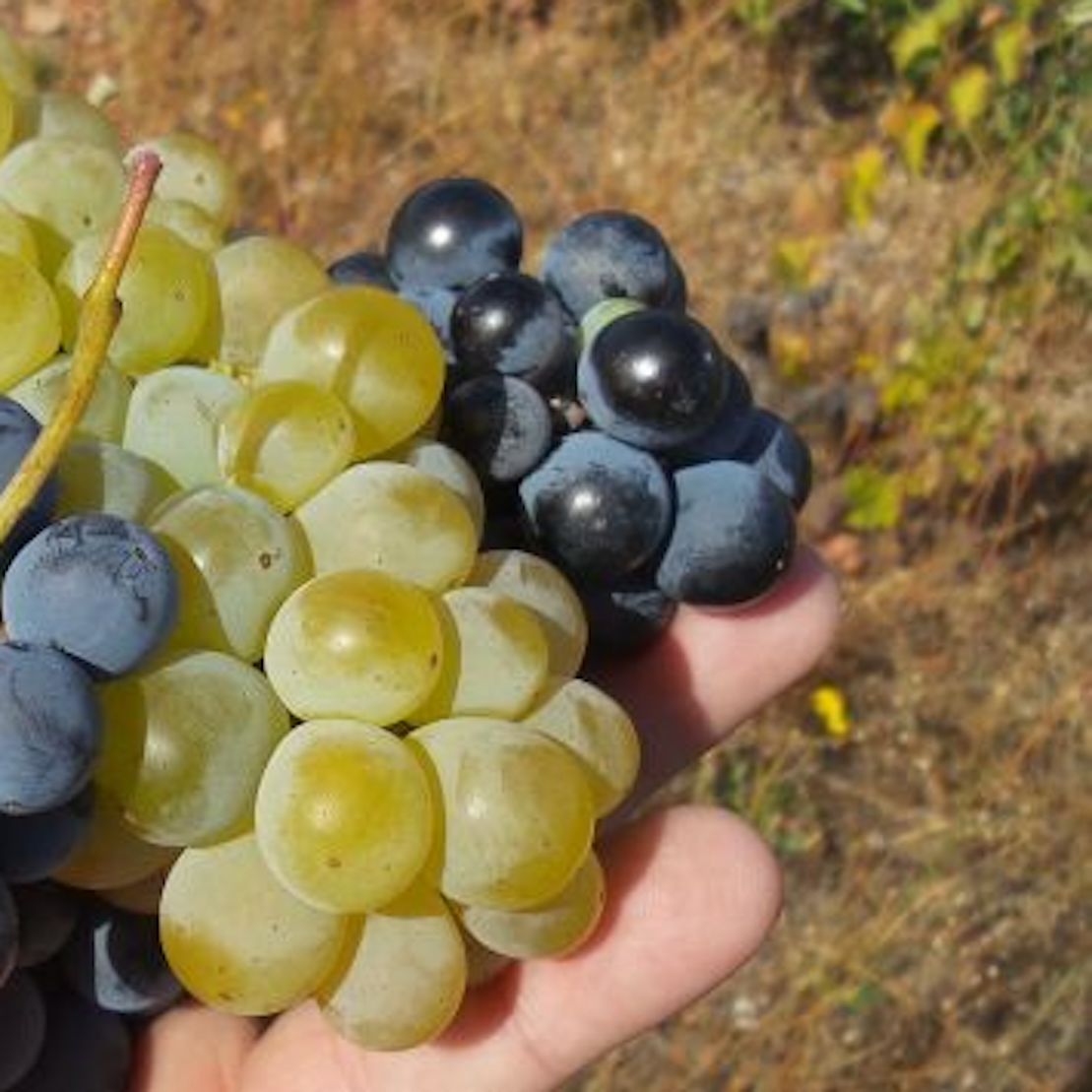
Whether you're exploring mineral-driven natural Muscadet from Loire Valley, textured natural Grüner Veltliner from Austria, or honeyed natural Chenin Blanc from Vouvray, natural white wine offers distinctive character and honest expression rewarding curious drinkers. Start with approachable styles like natural Verdicchio or Loire Sauvignon Blanc, then explore more complex, funky natural wines as your palate develops.

Ready to discover natural white wine? Look for producers emphasizing organic or biodynamic farming, wild yeast fermentation, and minimal sulfites for the authentic low-intervention experience. Natural white wine invites exploration, rewards curiosity, and connects drinkers to ancient winemaking wisdom expressed through modern practice.