Rosé Natural Wines

rose natural wines
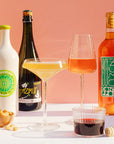
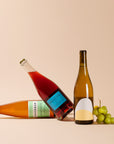
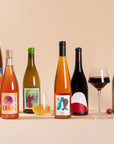
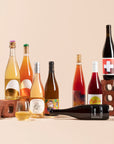
It’s always time for natural rosé at MYSA! Whether you’re looking for delicate, low-extraction rosé or a dark, deep rosé with a lot of extraction (we call it “resé”) the wine for your next picnic is here!
 
superbloom las jaras natural rose wine front
 
Frank Cornelissen Susucaru Terre Siciliane Rose  Malvasia, Moscadella, Cattaratto, Nerello Mascalese natural Rosé wine Sicily Italy front
 
panda lammidia abruzzo italy natural rose wine bottle
Save $2
 
Himmel Rosé by Tschida – Front Bottle Shot of Natural Austrian Rosé Wine
 
Christian Tschida Birdscape Natural Red Wine Burgenland Austria Front
 
“Pituko” Rose Viña Echeverria natural Rosé wine Central Valley Chile front
 
rose natural wine box mysa natural wines
Save $20
 
Beck Pink Judith Beck Natural Rose Wine Burgenland Austria Front
 
winifred gut oggau natural Rose wine Burgenland Austria front
 
brose yetti and the kokonut natural Rosé wine South Australia Australia front
Save $7
 
Rosé by Das Juice natural rosé wine from South Australia Cabernet Franc Sauvignon Blanc Tempranillo
Save $10
 
Save $13
 
rose-crush-constant-crush-natural-Rosé-wine-Oregon-USA
 
maskerade rose gut oggau natural Rose wine Burgenland Austria front
 
Save $14
 
Meinklang Prosa natural Rosé wine Burgenland Austria front
Sold Out
 
Take it Easy Old Westminster natural Rosé wine Maryland USA front
Sold Out
 
Rosado Murcia Rose Garcia Perez Monastrell Murcia  Spain natural Rosé wine
Sold Out
 
table fabien jouves cahors france natural rose wine front
Sold Out
 
Little Monster Pet Nat Purity natural sparkling wine California USA front
Sold Out
 
youngster rose nestarec natural rose wine moravia czech republic
Sold Out
 
cuvee zero ruth lewandowski california usa natural rose wine front
Sold Out
 
wines of anarchy rosato cirelli abruzzo italy natural sparkling rose wine
Sold Out
 
flower girl pet nat botanica western cape south africa natural rose wine bottle
Sold Out
 
old vine rose las jaras california usa natural rose wine front
Sold Out
 
Pink Pet-Nat Vivanterre natural rose sparkling wine Auvergne France front
Sold Out
 
pinke pinke rose weingut schlossmuhlenhof heinhessen germany natural rose wine
Sold Out
 
confondo frizzante rosato bakari natural Sparkling wine Veneto Italy front
Sold Out
 
Dolores Cabrera La Araucaria Rosado Listan Negro natural Rosé wine Canary Islands Spain
Sold Out
 
bistro fabien jouves south west france natural red wine
Sold Out
 
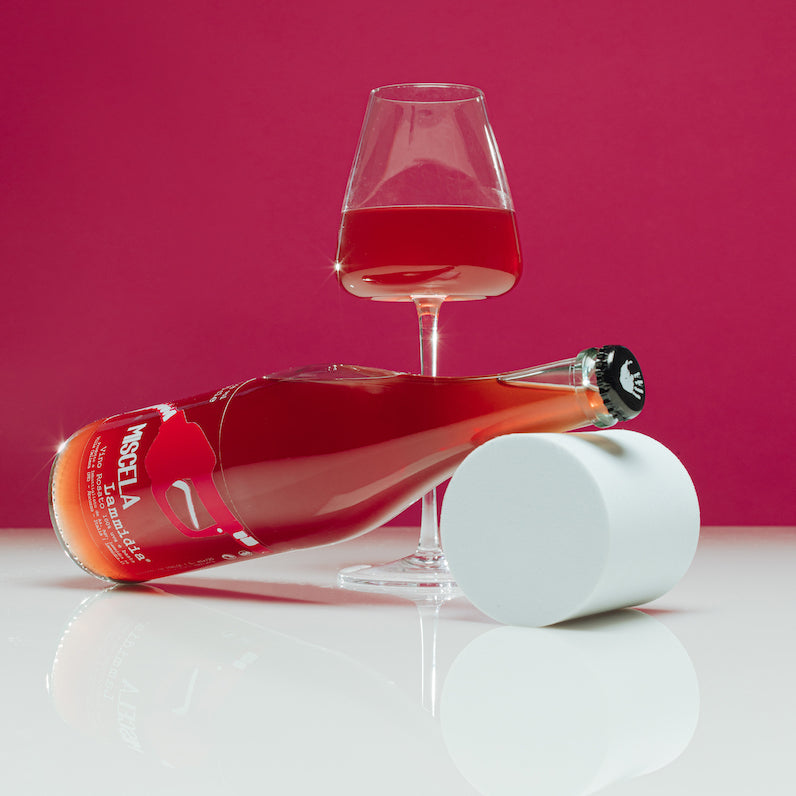
Lammidia Miscela Rosato natural Rosé wine Abruzzo Italy front label
Sold Out
 
natural rose wine bottle rose populis california usa
Sold Out
 
natural wine rosado onda brava
Sold Out
 
correcaminos rueda spain rose microbio natural wine
Sold Out
 
kite duck duckman bairrada portugal natural rose wine front
Sold Out
 
rose christina natural rose wine carnuntum austria front
Sold Out
  • 1
  • 2
  • 3
  • 5

Want us to curate for you?

$150.00 Sale Save
Amount 6 Bottles
Subscription

Adding to Cart Added to Cart


Our Mixed Natural Wine Club is the best way to explore the full spectrum of what natural wine has to offer. Each box is a rotating mix of reds, whites, oranges, rosés, and sparkling (usually pét-nats), all from small, independently owned wineries working sustainably and with minimal intervention.

Whether you're new to natural wine or already deep in the funk, this is our most flexible and best-value club. Choose 3, 6, or 12 bottles and get them monthly, every two months, or quarterly—whatever fits your flow.

What you’ll get:

  • A curated variety of natural wines (no repeats, no junk)
  • Winemaker stories, tasting notes, pairing recs, and video tastings
  • Free shipping, 10% off retail, and first dibs on limited drops
  • Unmatched customer support from our small, passionate team

The 6-bottle box is our most popular. The 12-bottle box is the best bang for your buck. No matter which size you choose, you'll get interesting, delicious, and conversation-worthy wines every time. And if you’re curious about orange wine? Don’t worry—it’ll make an appearance.

The Facts

Natural Rosé Wine Guide: Everything About Low-Intervention Rosé Wines

Natural rosé wine has transformed the rosé category, offering vibrant, terroir-driven alternatives to mass-produced pink wines. This comprehensive guide explores what natural rosé wine is, how low-intervention rosé wines are made, and why organic and biodynamic rosé wines have become essential for wine lovers seeking authenticity and refreshment.

All About Our Rosé Natural Wines

Natural rosé wine is pink wine produced with minimal intervention from vineyard to bottle. Natural winemakers create rosé using organically or biodynamically grown red grapes, wild yeast fermentation, and little to no added sulfites or additives. While conventional rosé may contain numerous approved additives and processing agents, natural rosé wine emphasizes purity, terroir expression, and traditional winemaking methods.
Though natural wine lacks legal definition, the philosophy centers on minimal manipulation. Natural rosé wine producers avoid common winemaking interventions including commercial yeast inoculation, color adjustment, acidification, enzymes, clarifying agents, sterile filtration, and heavy sulfur additions. The goal of low-intervention rosé wine is transparent expression of grape variety, vintage conditions, and vineyard character without technological interference.
Natural rosé wine appears under several names: low-intervention rosé, raw rosé, organic rosé wine (when certified), or biodynamic rosé wine (when following biodynamic principles). These overlapping terms describe a winemaking philosophy valuing authenticity and minimal processing over industrial standardization.

Natural rosé wine production begins in the vineyard with organic or biodynamic farming. Natural winemakers reject synthetic pesticides, herbicides, and fungicides, instead using copper-based sprays, beneficial insects, cover crops, and biodiversity to maintain vine health. Biodynamic rosé wine producers follow additional principles based on lunar cycles and specially prepared biodynamic preparations according to Rudolf Steiner's philosophy.

Natural Rosé Wine Grape Varieties

Natural rosé wine uses red grape varieties, with specific grapes appearing frequently in natural wine:

French varieties: Grenache, Cinsault, Mourvèdre, Syrah, Cabernet Franc, Pinot Noir, Gamay, Pineau d'Aunis

Italian varieties: Sangiovese, Nebbiolo, Nerello Mascalese, Corvina, Schiava, Lagrein, Aglianico

Spanish varieties: Garnacha, Tempranillo, Mencía, Monastrell, Bobal

Austrian/German varieties: Blaufränkisch, Zweigelt, St. Laurent, Spätburgunder

Other varieties: Xinomavro (Greece), Kadarka (Hungary), indigenous Balkan varieties

Many natural rosé wine producers work with field blends, old vines, and obscure indigenous varieties that deliver distinctive regional character.

Natural Rosé Production Methods

Natural rosé wine can be made through several methods, each creating different styles:

Direct press rosé (vin gris): Red grapes are immediately pressed, with juice contact with skins only during pressing. This method produces the palest natural rosé wines with delicate color and light body. The juice is then fermented like white wine.

Short maceration rosé: Red grapes macerate with skins for hours to 1-2 days before pressing. This traditional method extracts more color, flavor, and tannin, creating fuller-bodied natural rosé wine. Maceration time determines color intensity and structural weight.

Saignée rosé: "Bled" juice from red wine fermentation tanks. Early in red wine maceration, a portion of juice is removed to concentrate remaining red wine. This pink juice becomes rosé. Saignée natural rosé tends to be more structured and flavorful than direct press styles.

Blending: Some natural rosé wine results from blending red and white wines, though this method is less common in natural winemaking and generally less respected than skin-contact methods.

Most natural rosé wine producers favor short maceration methods that balance color, flavor, and drinkability while avoiding the industrial pale aesthetic of conventional rosé.

Wild Yeast Fermentation in Natural Rosé

Natural rosé wine relies on spontaneous fermentation with native yeasts naturally present on grape skins and in the cellar. Unlike conventional rosé made with laboratory-selected commercial yeast strains delivering predictable results, natural wine fermentation using wild yeasts creates more complex aromatics and authentic terroir expression. Indigenous yeast fermentation takes longer and carries more risk, but natural winemakers believe it produces more interesting, site-specific rosé wines.

Minimal Sulfites in Natural Rosé Wine

Sulfur dioxide (SO2) use represents natural wine's most debated aspect. Sulfites prevent oxidation and microbial spoilage, making conventional wine production stable and predictable. Natural rosé wine producers use dramatically less sulfur than conventional winemakers—often zero added sulfites or only minimal amounts (10-40 mg/L) at bottling compared to 100-150+ mg/L common in conventional rosé.

"Zero-zero" natural rosé wine contains no added sulfites beyond trace amounts naturally produced during fermentation (typically under 10 mg/L). Some natural winemakers add small sulfur amounts at bottling for stability while remaining within natural wine philosophy. The term "low-sulfur rosé wine" describes natural rosés with minimal sulfite additions.

No Fining or Filtration in Natural Rosé

Natural rosé wine producers typically skip fining (adding clarifying agents) and filtration (mechanically removing particles). Conventional rosé usually undergoes fining and sterile filtration for brilliant, crystal-clear appearance—the pale, transparent aesthetic marketed as premium rosé. Natural winemakers believe these processes strip flavor, aromatics, and textural complexity.

Unfined, unfiltered natural rosé wine may appear slightly hazy or cloudy and often contains fine sediment. This cloudiness doesn't indicate flaws—it reflects the wine's natural state and living character. Some natural rosé wines remain brilliantly clear through extended settling without intervention.

Natural Rosé Aging Vessels

Natural rosé wine producers age wine in various vessels based on desired style:

  • Stainless steel tanks preserve fresh fruit character and bright acidity in most natural rosé wines
  • Neutral oak barrels add subtle texture without obvious wood influence
  • Concrete tanks or eggs offer temperature stability and textural development
  • Amphora or clay vessels connect to ancient winemaking traditions
  • Large oak casks provide gentle oxygen exposure for more structured styles

Most natural rosé wine emphasizes freshness and vibrancy, making stainless steel or concrete the preferred aging vessels. Some producers experiment with amphora or brief oak aging for textured, more serious natural rosé wines.

Natural rosé wine displays distinctive characteristics that differentiate it from conventional rosé.

Natural Rosé Wine Color and Appearance

Natural rosé wine shows varied colors from pale salmon to deep pink, coral, or orange-pink tones. Color intensity depends on grape variety, maceration time, and winemaking approach. Unlike industrially produced pale rosé emphasizing nearly colorless aesthetics, natural rosé wine embraces fuller color expression.

Grenache and Cinsault produce coral and salmon hues. Pinot Noir creates pale pink to light ruby colors. Syrah and Mourvèdre achieve deeper pink to light red tones. Some natural rosé displays slight cloudiness or haze from lack of filtration—a sign of minimal intervention rather than a defect.

Certain natural rosé wines show slight effervescence—tiny bubbles from residual carbon dioxide. This light spritz isn't a flaw but evidence of minimal intervention and living wine character. Natural pétillant rosé (lightly sparkling) intentionally preserves more CO2 for refreshing texture.

Natural Rosé Wine Texture and Mouthfeel

Natural rosé wine often displays more textured mouthfeel than conventional rosé. Extended lees aging, minimal sulfites, and avoidance of stripping processes create wines with substance and grip. The texture balances between white and red wine characteristics—lighter than natural red wine but more structured than conventional rosé.

Many natural rosé wines have moderate alcohol levels (11-13%) compared to conventional rosés (12-14%+), contributing to their fresh, balanced character and enhanced drinkability. Natural rosé wine tends toward energy and minerality rather than simple fruit-forward sweetness.

Natural Rosé Wine Aromas and Flavors

Natural rosé wine aromatics emphasize freshness, herbs, and minerality. Expect bright red berries (strawberry, raspberry, cranberry), stone fruits (white peach, nectarine), citrus (pink grapefruit, blood orange), watermelon, rhubarb, herbs (rosemary, thyme, lavender), white flowers, and saline minerality. Natural winemaking preserves delicate vineyard aromatics and regional character.

Some natural rosé wine displays subtle "funky" characteristics—leesy, slightly oxidative, or savory notes from extended lees contact, wild yeasts, or minimal sulfites. Natural wine enthusiasts appreciate these complex, non-fruit-driven qualities that add depth and interest beyond simple berry flavors.

Flavors in natural rosé wine emphasize purity and terroir expression. Rather than candy-like fruit profiles common in industrial rosé, natural wines show more nuanced expression. Mineral, saline, herbal, and citrus pith notes feature prominently alongside primary fruit flavors. Natural rosé wine leans toward savory and refreshing rather than overtly sweet or fruity character.

History and Regions

Rosé production dates back thousands of years—ancient winemaking naturally produced pink wines through brief skin contact before modern juice separation techniques existed. The Mediterranean basin, particularly Provence, has celebrated rosé for centuries as the region's preferred wine for warm-weather drinking.

The modern natural wine movement intersected with rosé during the 1990s and 2000s. While Provence industrialized rosé production with pale, neutral styles, natural winemakers in Loire Valley, Languedoc, and beyond began crafting rosé using organic viticulture and minimal intervention. These natural rosé wine producers created fuller-colored, more flavorful rosés emphasizing terroir and grape character over standardized pale pink aesthetics.

Today's natural rosé scene has expanded globally, with natural rosé wine producers in France, Italy, Spain, Austria, Slovenia, United States, and worldwide. The philosophy remains constant: grow healthy grapes organically, ferment with indigenous yeasts, and bottle with minimal or no sulfur additions, creating rosé that tastes alive and distinctive.

French Natural Rosé Wine

France produces exceptional natural rosé wine across multiple regions:

Loire Valley: The natural wine heartland creates outstanding rosé from Cabernet Franc, Pineau d'Aunis, Gamay, and Grolleau. Loire natural rosé emphasizes bright acidity, red berry fruits, and mineral tension. These wines showcase terroir transparency and remarkable food friendliness.

Languedoc-Roussillon: Natural winemakers produce rosé from Grenache, Cinsault, Mourvèdre, and Carignan blends. Languedoc natural rosé offers Mediterranean herbs, garrigue, stone fruits, and spice complexity with fuller body than northern French styles.

Provence: While Provence remains synonymous with pale industrial rosé, some natural winemakers create more characterful versions emphasizing terroir and grape expression over standardized color.

Rhône Valley: Natural rosé from Grenache, Syrah, and Mourvèdre showcases ripe stone fruits, herbs, and spice with Mediterranean warmth and textural richness.

Beaujolais: Natural Gamay rosé offers crunchy red fruit, granite minerality, and refreshing acidity—perfect for summer drinking.

Italian Natural Rosé Wine (Rosato)

Italy's natural wine movement produces distinctive rosato across the country:

Sicily: Natural rosato from Nerello Mascalese, Frappato, and Nero d'Avola showcases volcanic minerality, Mediterranean herbs, and bright acidity. Etna rosato particularly shines with saline character and refreshing structure.

Veneto: Natural rosato from Corvina and indigenous varieties offers light body, bright cherries, and gulpable freshness.

Abruzzo: Natural Montepulciano rosato (cerasuolo) delivers fuller body, cherry fruits, and savory complexity—more structured than typical rosé.

Lombardy: Natural Schiava rosato from Alpine regions produces pale, delicate wines with rose petal aromatics and mineral precision.

Tuscany: Natural Sangiovese rosato emphasizes cherry, herbs, and bright acidity with classic Italian food friendliness.

Austrian Natural Rosé Wine

Austrian natural winemakers produce exceptional rosé from Blaufränkisch, Zweigelt, and St. Laurent. Austrian natural rosé balances freshness with texture, offering red berries, white pepper, herbs, and mineral tension. These wines showcase precision and energy characteristic of Austrian winemaking.

Spanish Natural Rosé Wine (Rosado)

Spain's natural wine scene creates distinctive rosado:

Navarra: Natural Garnacha rosado offers strawberry, watermelon, and Mediterranean herbs with refreshing acidity.

Rioja: Natural Tempranillo and Garnacha rosado delivers fuller body, red fruits, and savory complexity.

Catalonia: Natural winemakers produce rosado from indigenous varieties with coastal freshness and mineral character.

Canary Islands: Natural rosado from volcanic soils offers unique mineral expression and exotic aromatics.

Greek Natural Rosé Wine

Greek natural winemakers create exceptional rosé from Xinomavro, Agiorgitiko, and indigenous varieties. Greek natural rosé showcases Mediterranean herbs, bright acidity, and distinctive mineral character from diverse terroirs.

American Natural Rosé Wine

American natural wine producers across multiple regions create distinctive natural rosé:

California: Natural winemakers produce rosé from Grenache, Mourvèdre, Pinot Noir, and field blends, often from coastal vineyards with cool-climate acidity and fresh character.

Oregon: Natural Pinot Noir rosé emphasizes Willamette Valley terroir with minimal intervention, delivering delicate color, bright berries, and mineral precision.

New York: Finger Lakes and Long Island natural winemakers produce rosé from Cabernet Franc, Pinot Noir, and hybrid varieties showcasing regional character.

Texas: Hill Country natural winemakers create rosé from Mediterranean varieties adapted to Texas terroir.

The Experience

Natural rosé wine displays distinctive characteristics that differentiate it from conventional rosé.

Natural Rosé Wine Color and Appearance

Natural rosé wine shows varied colors from pale salmon to deep pink, coral, or orange-pink tones. Color intensity depends on grape variety, maceration time, and winemaking approach. Unlike industrially produced pale rosé emphasizing nearly colorless aesthetics, natural rosé wine embraces fuller color expression.

Grenache and Cinsault produce coral and salmon hues. Pinot Noir creates pale pink to light ruby colors. Syrah and Mourvèdre achieve deeper pink to light red tones. Some natural rosé displays slight cloudiness or haze from lack of filtration—a sign of minimal intervention rather than a defect.

Certain natural rosé wines show slight effervescence—tiny bubbles from residual carbon dioxide. This light spritz isn't a flaw but evidence of minimal intervention and living wine character. Natural pétillant rosé (lightly sparkling) intentionally preserves more CO2 for refreshing texture.

Natural Rosé Wine Texture and Mouthfeel

Natural rosé wine often displays more textured mouthfeel than conventional rosé. Extended lees aging, minimal sulfites, and avoidance of stripping processes create wines with substance and grip. The texture balances between white and red wine characteristics—lighter than natural red wine but more structured than conventional rosé.

Many natural rosé wines have moderate alcohol levels (11-13%) compared to conventional rosés (12-14%+), contributing to their fresh, balanced character and enhanced drinkability. Natural rosé wine tends toward energy and minerality rather than simple fruit-forward sweetness.

Natural Rosé Wine Aromas and Flavors

Natural rosé wine aromatics emphasize freshness, herbs, and minerality. Expect bright red berries (strawberry, raspberry, cranberry), stone fruits (white peach, nectarine), citrus (pink grapefruit, blood orange), watermelon, rhubarb, herbs (rosemary, thyme, lavender), white flowers, and saline minerality. Natural winemaking preserves delicate vineyard aromatics and regional character.

Some natural rosé wine displays subtle "funky" characteristics—leesy, slightly oxidative, or savory notes from extended lees contact, wild yeasts, or minimal sulfites. Natural wine enthusiasts appreciate these complex, non-fruit-driven qualities that add depth and interest beyond simple berry flavors.

Flavors in natural rosé wine emphasize purity and terroir expression. Rather than candy-like fruit profiles common in industrial rosé, natural wines show more nuanced expression. Mineral, saline, herbal, and citrus pith notes feature prominently alongside primary fruit flavors. Natural rosé wine leans toward savory and refreshing rather than overtly sweet or fruity character.

Natural rosé wine's bright acidity, textured mouthfeel, and versatile character make it extraordinarily food-friendly. The wines' energy and moderate alcohol enhance rather than overwhelm dishes.

Natural Rosé with Mediterranean Food

Natural rosé wine excels with Mediterranean cuisine: grilled vegetables, ratatouille, tapenade, socca, pissaladière, bouillabaisse, and Provençal dishes. The wines' herbal character, acidity, and refreshing quality complement olive oil, garlic, tomatoes, and fresh herbs.

Natural Rosé with Seafood and Shellfish

Natural rosé pairs beautifully with grilled shrimp, lobster rolls, crab cakes, ceviche, grilled fish, and seafood pasta. The wines' acidity cuts through richness while delicate structure doesn't overwhelm seafood flavors. Cold rosé and raw oysters create classic summer pairings.

Natural Rosé with Grilled Meats

Natural rosé handles grilled chicken, lamb chops, pork tenderloin, and sausages wonderfully. The wines' structure matches char flavors while acidity balances fat. Rosé and BBQ create surprisingly harmonious pairings.

Natural Rosé with Salads and Vegetarian Dishes

Natural rosé wine's bright acidity and fresh character make it perfect for salads, grain bowls, vegetable tarts, and summer fare. The wines complement vinaigrettes, fresh vegetables, and herbs without overwhelming delicate flavors.

Natural Rosé with Cheese and Charcuterie

Natural rosé pairs with fresh and aged cheeses, charcuterie boards, pâtés, and cured meats. Try rosé with goat cheese, feta, prosciutto, salami, or country pâté. The wines' acidity cuts through fat while fruit complements savory elements.

Natural Rosé with Spicy Food

Natural rosé wine's refreshing quality and moderate alcohol handle spicy cuisines beautifully. Try natural rosé with Thai food, Indian curries, Mexican dishes, or Korean fare. The wines' acidity balances heat while low alcohol prevents clash with capsaicin.

Natural Rosé with Pizza and Italian Food

Natural rosé complements pizza, pasta with tomato sauce, margherita, and Italian antipasti. The wines' acidity matches tomatoes while structure handles cheese and olive oil.

Natural rosé wine offers authentic alternatives to mass-produced pink wines. For drinkers seeking transparency, terroir expression, and minimal additives, natural wine delivers rosés that taste alive, distinctive, and connected to place. The low-intervention philosophy respects environmental health and traditional practices, producing wines reflecting vintage variation and winemaker personality rather than industrial standardization.

Natural rosé wine tends to be more digestible than conventional rosé. Many drinkers report fewer adverse reactions when drinking natural wine, possibly due to lower sulfites, absence of additives, and moderate alcohol levels.

The natural wine movement has elevated rosé beyond mass-market pale pink wines, demonstrating that rosé can express serious terroir, age gracefully, and deliver complexity beyond simple refreshment. Natural rosé wine celebrates regional character, grape expression, and authenticity over marketing-driven aesthetics.

Whether you're exploring mineral-driven natural rosé from Loire Valley, Mediterranean-styled natural rosato from Sicily, or fresh natural rosé from California, natural rosé wine offers distinctive character and honest expression rewarding curious drinkers. Natural rosé proves pink wine can be both seriously delicious and refreshingly drinkable.

Ready to discover natural rosé wine? Look for producers emphasizing organic or biodynamic farming, wild yeast fermentation, and minimal sulfites for the authentic low-intervention experience. Natural rosé wine invites summer exploration, rewards curiosity, and delivers refreshment with substance—pink wine that tastes alive and authentic.