Natural Wine Store

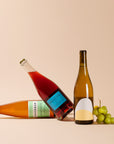
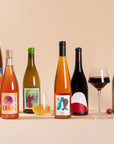
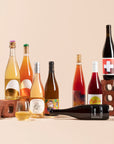
mysa wine bottles

Shop the exciting world of natural wine right to your doorstep. In our natural wine collection, you’ll find wines that are organic, biodynamic, low-sulfur, zero/zero, native yeast, unfined, unfiltered, and vegan. Whether you’re new to natural wine or a seasoned pro, we’re sure you’ll find something perfect for your next delivery!

 
superbloom las jaras natural rose wine front
 
pipeno cacique maravila natural red wine bottle bio bio valley chile front
 
Frank Cornelissen Susucaru Terre Siciliane Rose  Malvasia, Moscadella, Cattaratto, Nerello Mascalese natural Rosé wine Sicily Italy front
 
gulp orange bodegas parra jimenez la mancha spain natural white orange wine
 
only zuul from swick wines natural orange wine oregon usa front
 
rosh lammidia abruzzo italy natural rose wine bottle
 
munjebel bianco frank cornelissen sicily italy natural orange wine bottle front
 
gruner veltliner christina natural white wine carnuntum austria
 
The Flood Swick Wines natural orange wine Oregon USA front
 
Hurluberlu Domaine Sebastien David natural red wine Loire France front
 
orange christina carnuntum austria natural orange wine
 
Sweet Berry Wine Las Jaras Natural red wine California USA front
 
Meinklang Roter Mulatschak natural red wine Burgenland Austria Front
 
Brisa Suave Vinho Verde Loureiro, Arinto, Trajadura natural white wine Vinho Verde Portugal
 
Gut Oggau Atanasius natural red wine Burgenland Austria front
 
Theodora Gut Oggau natural white wine Weinland Austria front
 
panda lammidia abruzzo italy natural rose wine bottle
Save $2
 
Himmel Rosé by Tschida – Front Bottle Shot of Natural Austrian Rosé Wine
 
Explosivo Vinho Verde Tinto loureiro, arinto, trajadura natural red wine Vinho Verde Portugal
 
Mae Son Orange Müller-Thurgau Natural Orange Wine Alto Italy
 
orange cubique les vins pirouettes natural Orange wine Alsace France front
 
alhabra envinate canary islands spain natural red wine
 
Christian Tschida Birdscape Natural Red Wine Burgenland Austria Front
 
n es pituko cabernet franc vina echeverria natural red wine cuirco valley chile
 
muz partida creus penedes spain vermouth natural wine
 
Eros Les Vins Pirouettes natural orange wine Alsace France front
 
“Pituko” Rose Viña Echeverria natural Rosé wine Central Valley Chile front
 
 
zibbibo gabrio bini pantelleria sicily italy  natural orange wine front
 
Hippolyte Pierre Bories Carignan Syrah Grenache Corbieres France natural red wine
Save $2
 
Sammay Negre Oriol Artigas natural red wine Catalonia Spain front
 
Himmel Auf Erden Weiss  Grand Cuvée Christian Tschida White Austria Front
 
Déferlante Orangée VDF White  Les  Vignes d'Olivier natural orange Wine Languedoc France front
Save $6
 
Josephine  Gut Oggau natural red wine Burgenland Austria front
 
Binner Si Rose Pinot Gris natural orange wine Alsace France
 
  • 1
  • 2
  • 3
  • 4

Want us to curate for you?

$150.00 Sale Save
Amount 6 Bottles
Subscription

Adding to Cart Added to Cart


Our Mixed Natural Wine Club is the best way to explore the full spectrum of what natural wine has to offer. Each box is a rotating mix of reds, whites, oranges, rosés, and sparkling (usually pét-nats), all from small, independently owned wineries working sustainably and with minimal intervention.

Whether you're new to natural wine or already deep in the funk, this is our most flexible and best-value club. Choose 3, 6, or 12 bottles and get them monthly, every two months, or quarterly—whatever fits your flow.

What you’ll get:

  • A curated variety of natural wines (no repeats, no junk)
  • Winemaker stories, tasting notes, pairing recs, and video tastings
  • Free shipping, 10% off retail, and first dibs on limited drops
  • Unmatched customer support from our small, passionate team

The 6-bottle box is our most popular. The 12-bottle box is the best bang for your buck. No matter which size you choose, you'll get interesting, delicious, and conversation-worthy wines every time. And if you’re curious about orange wine? Don’t worry—it’ll make an appearance.

The Facts

Natural Wine Guide: Everything About Low-Intervention Wine

Natural wine has revolutionized the wine world, offering drinkers authentic alternatives to industrial winemaking. This comprehensive guide explores what natural wine is, how low-intervention wines are made, and why organic and biodynamic wines have captivated wine lovers seeking purity, terroir expression, and minimal manipulation.

All About Our Natural Wine Store

Natural wine is wine made with minimal intervention in both vineyard and cellar. Natural winemakers produce wine using organically or biodynamically grown grapes, native yeast fermentation, and little to no added sulfites or other additives. Unlike conventional wine that may contain up to 70+ approved additives and processing agents, natural wine emphasizes authenticity, terroir transparency, and traditional winemaking methods. Natural wine has no legal definition or official certification, but the philosophy centers on minimal manipulation. Natural wine producers avoid common winemaking interventions including commercial yeast inoculation, acidification, de-acidification, chaptalization (adding sugar), enzymes, fining agents, filtration, reverse osmosis, and excessive sulfur additions. The goal of low-intervention wine is transparent expression of grape variety, vintage conditions, and vineyard character without technological interference. You might also encounter natural wine called low-intervention wine, raw wine, organic wine (when certified), biodynamic wine (when following biodynamic principles), or living wine. While these terms have nuanced differences, all describe a winemaking philosophy valuing authenticity and minimal processing over industrial standardization and predictability.

Natural wine production begins in the vineyard with organic or biodynamic viticulture and extends through every winemaking decision.

Organic and Biodynamic Farming in Natural Wine

Natural wine starts with healthy vineyards farmed without synthetic chemicals. Natural winemakers practice organic viticulture, avoiding synthetic pesticides, herbicides, and fungicides. Instead, they use copper-based sprays (Bordeaux mixture), sulfur dusting, beneficial insects, cover crops, biodiversity, and manual labor to maintain vine health and balance.

Many natural wine producers follow biodynamic farming principles based on Rudolf Steiner's agricultural philosophy. Biodynamic wine production incorporates lunar cycles, specially prepared compost and spray preparations (horn manure, horn silica), holistic farm management, and viewing the vineyard as a living, interconnected organism. Biodynamic wine often carries Demeter certification, indicating adherence to strict biodynamic standards.

Organic and biodynamic viticulture produces healthier grapes with thicker skins, more complex flavors, and natural resistance to disease. These farming practices also protect soil health, biodiversity, and environmental sustainability—core values of natural wine philosophy.

Native Yeast Fermentation in Natural Wine

Natural wine relies on spontaneous fermentation with wild yeasts naturally present on grape skins and in the cellar environment. Unlike conventional wine made with laboratory-selected commercial yeast strains that deliver predictable results, natural wine fermentation using indigenous yeasts creates more complex aromatics, unique flavor profiles, and authentic terroir expression.

Wild yeast fermentation takes longer than commercial yeast fermentation, sometimes weeks or months rather than days. The process carries more risk—spontaneous fermentations can stick, develop off-flavors, or experience microbial problems. Natural winemakers accept these risks, believing indigenous yeast fermentation produces more interesting, site-specific, living wines that reflect their origin.

Native yeast populations vary by region, vineyard, and vintage, meaning each natural wine fermentation is unique. This vintage variation—embraced by natural wine producers but avoided in industrial winemaking—creates wines that taste different year to year, expressing seasonal conditions authentically.

Minimal Sulfite Use in Natural Wine

Sulfur dioxide (SO2) represents natural wine's most controversial and debated topic. Sulfites prevent oxidation, kill unwanted microbes, and stabilize wine during production and aging. Conventional wine typically contains 80-200+ mg/L of sulfites, while natural wine contains dramatically less—often zero added sulfites or only minimal amounts (10-50 mg/L) added at bottling.

"Zero-zero" natural wine (also called "sans soufre" or "no added sulfites") contains no added sulfur beyond the tiny amounts (typically under 10 mg/L) naturally produced during fermentation. Zero-zero wine represents natural wine's most extreme expression, requiring exceptional fruit quality, meticulous cellar hygiene, and acceptance of greater risk.

Some natural winemakers add small sulfite amounts at bottling for stability while remaining within natural wine philosophy. The terms "low-sulfur wine" or "minimal-sulfite wine" describe these wines. Even natural wines with added sulfites typically contain 70-80% less sulfur than conventional wines.

The debate around sulfites in natural wine centers on where to draw the line. Purists argue zero added sulfites defines natural wine, while pragmatists accept minimal bottling sulfites as reasonable preservation. Most natural wine drinkers focus less on absolute numbers and more on overall philosophy—organic farming, native yeasts, and minimal intervention matter more than strict sulfite thresholds.

No Fining or Filtration in Natural Wine

Natural wine producers typically avoid fining (adding clarifying agents) and filtration (mechanically removing particles, yeast, and bacteria). Conventional winemaking uses fining agents like bentonite clay, egg whites, gelatin, isinglass (fish bladder), or casein (milk protein) to clarify wine, followed by sterile filtration for visual clarity and microbial stability.

Natural winemakers believe fining and filtration strip flavor, aromatics, texture, and complexity from wine. Unfined, unfiltered natural wine may appear slightly hazy, cloudy, or contain sediment—visual characteristics reflecting the wine's natural, living state rather than defects. Some natural wines remain brilliantly clear through extended lees aging and natural settling without intervention.

The cloudiness in natural wine comes from suspended yeast cells, grape particles, and proteins that would be removed in conventional winemaking. These elements contribute to natural wine's textural richness and living character. Natural wine advocates argue that visual clarity matters less than flavor, authenticity, and honest expression.

No Additives or Technological Manipulation in Natural Wine

Natural wine production avoids the dozens of additives and interventions legal in conventional winemaking:

  • No commercial yeasts (Saccharomyces cerevisiae strains)
  • No enzymes (pectolytic enzymes for extraction or clarification)
  • No acidification or de-acidification (tartaric acid, malic acid, or carbonate additions)
  • No chaptalization (adding sugar to increase alcohol)
  • No mega-purple or concentrate (color or sweetness enhancement)
  • No oak chips or staves (artificial oak flavor)
  • No reverse osmosis (alcohol removal or must concentration)
  • No micro-oxygenation (controlled oxygen exposure to soften tannins)
  • No spinning cone (aroma extraction and reintroduction)
  • No fining agents (bentonite, egg whites, gelatin, etc.)
  • No sterile filtration (removing all microbes)

Natural winemakers rely on time, patience, and traditional techniques instead of technological solutions. This approach creates wines that may be less consistent year-to-year but more authentic, transparent, and connected to their origin.

Natural Wine Aging Vessels

Natural wine producers age wine in various vessels based on desired style:

  • Neutral oak barrels (used barrels from previous vintages) add subtle texture without obvious wood flavors
  • Large oak casks (foudres) provide gentle oxygen exposure and traditional aging
  • Stainless steel tanks preserve fresh fruit character and bright acidity
  • Concrete tanks or eggs offer temperature stability, textural development, and shape-driven lees contact
  • Amphora or clay vessels (qvevri, tinaja) connect to ancient winemaking traditions and provide micro-oxygenation
  • Fiberglass or plastic tanks offer neutral, economical aging without vessel influence

New oak barrels appear rarely in natural winemaking, as obvious oak flavors mask terroir and grape character. Natural wine emphasizes transparency over manipulation, making neutral vessels the preferred choice.

Natural wine displays distinctive characteristics that differentiate it from conventional wine.

Natural Wine Appearance

Natural wine often appears less clear than conventional wine. Colors may be lighter and more transparent (especially in natural red wine) or slightly hazy and cloudy (from lack of fining and filtration). This cloudiness reflects living wine containing active yeasts and beneficial bacteria rather than sterile, filtered liquid.

Some natural wine displays slight effervescence—tiny bubbles from residual carbon dioxide. This light spritz (called "pétillance" or "frizzante") isn't a defect but evidence of minimal intervention and living wine character. Natural wine producers often preserve CO2 for freshness and texture.

Natural wine may contain sediment—harmless deposits of dead yeast cells (lees), tartrate crystals, or grape particles. This sediment indicates the wine hasn't been filtered to crystal clarity and remains in a more natural state.

Natural Wine Texture and Mouthfeel

Natural wine often displays richer, more textured mouthfeel than conventional wine. Extended lees aging, minimal sulfites, avoidance of fining and filtration, and preservation of natural compounds create wines with substance, grip, and complexity. Natural wine mouthfeel tends toward energy, freshness, and vibrant acidity rather than power, extraction, and concentration.

Many natural wines have moderate alcohol levels (10-13%) compared to conventional wines (13-15%+), contributing to their fresh, balanced, gulpable character. Lower alcohol enhances drinkability, food compatibility, and allows for drinking multiple glasses without fatigue.

Natural Wine Aromas and Flavors

Natural wine aromatics emphasize freshness, purity, and terroir expression. Depending on style, expect bright fruits, florals, herbs, spices, minerals, earth, and complexity. Natural winemaking preserves delicate vineyard aromatics and regional character that might be masked or standardized in conventional production.

Some natural wine displays "funky" characteristics—earthy, leesy, yeasty, barnyard, mushroom, or slightly oxidative notes from Brettanomyces yeast, extended lees contact, wild fermentation, or minimal sulfites. Natural wine enthusiasts often appreciate these complex, non-fruit-driven qualities that add interest and authenticity. These characteristics challenge palates accustomed to conventionally clean, fruit-forward wines but reward open-minded exploration.

The "funkiness" in natural wine exists on a spectrum. Some natural wines taste remarkably pure and clean, while others embrace more pronounced wild, savory, or unusual aromatics. Quality natural wine balances any funky elements with structure, acidity, and drinkability—funk should add interest, not dominate or create undrinkable wines.

Flavors in natural wine emphasize transparency and honesty. Rather than extracted, concentrated fruit bombs, natural wines show more delicate, nuanced expression. Mineral, saline, herbal, and earth-driven notes often feature prominently alongside fruit flavors. Natural wine tastes alive, vibrant, and connected to place.

Natural Wine Variation and "Flaws"

Natural wine embraces vintage variation and accepts characteristics conventional winemaking eliminates. Wine flaws versus wine character represents ongoing debate in natural wine discourse.

Brett (Brettanomyces): Wild yeast producing barnyard, leather, Band-Aid, or horse blanket aromas. Small amounts add complexity in natural wine; excessive levels create undrinkable wines. Natural wine accepts low-level brett as character, not flaw.

Volatile acidity (VA): Acetic acid producing vinegar-like aromas. Low levels add lift and complexity in natural wine; high levels indicate spoilage. Natural wine typically shows slightly higher VA than conventional wine without crossing into fault territory.

Oxidation: Exposure to oxygen creating nutty, sherry-like, or oxidative aromatics. Intentional oxidation (as in Jura wines) adds complexity; unintentional oxidation may indicate problems. Natural wine often embraces more oxidative character than conventional wines.

Mousiness: Moussey aroma/flavor defect from Brettanomyces and lactic acid bacteria, noticeable primarily in the finish or when wine pH rises (when saliva mixes with wine). Increasingly recognized as a legitimate flaw in natural wine.

Refermentation in bottle: Live yeast causing slight spritz or cloudiness. Usually intentional in natural wine for freshness and texture, though occasionally indicates bottling problems.

Quality natural wine balances these elements thoughtfully. Skilled natural winemakers produce clean, delicious wines without excessive funky characteristics while still embracing terroir, vintage variation, and living wine character.

History and Regions

Natural winemaking represents humanity's original approach to wine production. For thousands of years, winemakers fermented grapes without scientific understanding of microbiology, relying on indigenous yeasts, traditional techniques, and basic cellar practices. Ancient civilizations in Georgia, Greece, Rome, and throughout the Mediterranean produced what we'd now recognize as natural wine simply because modern additives, interventions, and technology didn't exist.

Wine production industrialized dramatically during the 20th century. The development of commercial yeasts, synthetic chemicals, stainless steel equipment, temperature control, micro-oxygenation, and dozens of legal additives transformed winemaking into a highly controlled, technological process. By the 1970s-80s, most wine was produced using industrial methods prioritizing consistency, shelf stability, and mass production over terroir expression and traditional practices.

The modern natural wine movement began in France during the 1980s and 1990s as a reaction against industrial winemaking. Pioneering natural winemakers like Marcel Lapierre in Beaujolais, Jacques Néauport in Loire Valley, Pierre Overnoy in Jura, and Nicolas Joly in Savennières rejected chemical viticulture and technological cellar interventions. These natural wine producers chose organic or biodynamic farming, spontaneous fermentation, and minimal sulfites, inspiring a global movement emphasizing authenticity, terroir, and winemaker individuality.

Wine importers and advocates like Kermit Lynch, Joe Dressner, and Louis/Dressner Selections championed natural wine in the United States during the 1990s-2000s, introducing American drinkers to low-intervention wines that challenged conventional wine aesthetics. Natural wine bars opened in Paris, New York, London, and worldwide, creating spaces celebrating funky, unconventional wines outside traditional wine culture.

Today's natural wine movement has expanded globally, with natural wine producers in France, Italy, Spain, Austria, Slovenia, Germany, Greece, Georgia, United States, Australia, South Africa, and beyond. The philosophy remains constant: grow healthy grapes sustainably, ferment naturally, and bottle honestly without manipulation.

Natural wine production occurs worldwide, with certain regions standing out for exceptional quality and historical significance.

French Natural Wine

France remains natural wine's spiritual home and most important production region:

Beaujolais: Ground zero for natural wine's modern revival. Producers like Marcel Lapierre, Jean Foillard, Guy Breton, and Yvon Métras (the "Gang of Four") pioneered natural Gamay emphasizing carbonic maceration, bright fruit, granite minerality, and zero-sulfite winemaking.

Loire Valley: Natural wine heartland producing exceptional Chenin Blanc, Sauvignon Blanc, Melon de Bourgogne (Muscadet), Cabernet Franc, and Gamay. Producers like Thierry Puzelat, Claude Courtois, and Olivier Cousin create transparent, mineral-driven, terroir-focused wines.

Jura: Mountain region producing distinctive Savagnin, Chardonnay, Poulsard, Trousseau, and Pinot Noir emphasizing oxidative character, high acidity, and unique regional identity. Natural Jura wines showcase extreme terroir expression.

Alsace: Natural Riesling, Gewürztraminer, and Pinot Gris from producers like Patrick Meyer emphasize crystalline purity, electric acidity, and profound minerality.

Languedoc-Roussillon: Natural winemakers work with old-vine Carignan, Grenache, Cinsault, and field blends, producing rustic, authentic Mediterranean wines.

Rhône Valley: Natural Syrah, Grenache, and Mourvèdre from northern and southern Rhône showcase pepper, herbs, dark fruit, and spice.

Italian Natural Wine

Italy's natural wine movement rivals France in quality and diversity:

Friuli-Venezia Giulia: Natural wine pioneers like Gravner, Radikon, and La Castellada revived ancient skin-contact (orange wine) techniques and inspired global movement. Also produces exceptional white and red wines.

Piedmont: Natural Nebbiolo (Barolo, Barbaresco), Barbera, and Dolcetto emphasize terroir transparency, classical structure, and regional authenticity.

Emilia-Romagna: Natural Lambrusco (dry, fizzy, authentic) challenges sweet commercial versions. Producers create fresh, gulpable, food-friendly wines.

Sicily: Natural wines from Mount Etna (Nerello Mascalese, Carricante) showcase volcanic minerality. Frappato and Nero d'Avola produce distinctive island wines.

Veneto: Natural Valpolicella, Soave, and Prosecco offer fresh, transparent alternatives to industrial versions.

Campania: Natural Fiano, Greco di Tufo, Falanghina, and Aglianico showcase southern Italian character with volcanic minerality.

Austrian Natural Wine

Austrian natural winemakers produce world-class wines emphasizing precision, energy, and terroir:

Burgenland: Natural Blaufränkisch, Zweigelt, and St. Laurent showcase peppery red fruits, structure, and mineral complexity.

Wachau, Kamptal, Kremstal: Natural Grüner Veltliner and Riesling emphasize white pepper, citrus, stone fruit, and penetrating minerality from diverse terroirs.

Styria: Natural Sauvignon Blanc and other varieties produce fresh, mineral-driven white wines.

Slovenian Natural Wine

Slovenian winemakers in Brda, Vipava, and other regions produce exceptional natural wines from Rebula (Ribolla Gialla), Malvazija, Refošk, and indigenous varieties. Slovenian natural wine balances structure with elegance, showing Mediterranean warmth with Alpine freshness.

Spanish Natural Wine

Spain's natural wine scene has grown rapidly:

Catalonia: Natural winemakers work with indigenous Catalan varieties and old vineyards.

Galicia: Natural Mencía, Albariño, and Atlantic-influenced wines offer granite minerality and coastal freshness.

Rioja: Some producers have returned to traditional, low-intervention methods with Tempranillo.

Canary Islands: Natural wines from volcanic soils offer unique mineral expression and distinctive island character.

German Natural Wine

German natural wine producers create distinctive low-intervention Riesling, Spätburgunder (Pinot Noir), and other varieties emphasizing slate minerality, electric acidity, and moderate alcohol. German natural wine often achieves remarkable balance between ripeness and freshness.

Greek Natural Wine

Greek natural winemakers produce exceptional wines from indigenous varieties like Assyrtiko, Xinomavro, Agiorgitiko, and Malagousia. Greek natural wine showcases Mediterranean character, ancient varieties, and distinctive volcanic or limestone terroirs.

Georgian Natural Wine

Georgian qvevri wine represents 8,000 years of continuous winemaking tradition. Producers ferment Rkatsiteli, Mtsvane, Saperavi, and indigenous varieties in buried clay vessels, creating profound, structured, age-worthy wines. Georgian wine is inherently natural, following methods predating modern interventions.

American Natural Wine

American natural wine production has exploded, particularly in:

California: Natural winemakers across diverse regions produce Pinot Noir, Chardonnay, Carignan, Zinfandel, and field blends emphasizing terroir and minimal intervention.

Oregon: Natural Pinot Noir and other varieties from Willamette Valley showcase cool-climate freshness and transparency.

New York: Finger Lakes natural winemakers produce Riesling, Cabernet Franc, and hybrid varieties. Long Island and Hudson Valley also produce natural wines.

Other Natural Wine Regions

Australia, South Africa, Chile, Argentina, New Zealand, and other countries have growing natural wine movements producing distinctive regional expressions.

The Experience

Natural wine displays distinctive characteristics that differentiate it from conventional wine.

Natural Wine Appearance

Natural wine often appears less clear than conventional wine. Colors may be lighter and more transparent (especially in natural red wine) or slightly hazy and cloudy (from lack of fining and filtration). This cloudiness reflects living wine containing active yeasts and beneficial bacteria rather than sterile, filtered liquid.

Some natural wine displays slight effervescence—tiny bubbles from residual carbon dioxide. This light spritz (called "pétillance" or "frizzante") isn't a defect but evidence of minimal intervention and living wine character. Natural wine producers often preserve CO2 for freshness and texture.

Natural wine may contain sediment—harmless deposits of dead yeast cells (lees), tartrate crystals, or grape particles. This sediment indicates the wine hasn't been filtered to crystal clarity and remains in a more natural state.

Natural Wine Texture and Mouthfeel

Natural wine often displays richer, more textured mouthfeel than conventional wine. Extended lees aging, minimal sulfites, avoidance of fining and filtration, and preservation of natural compounds create wines with substance, grip, and complexity. Natural wine mouthfeel tends toward energy, freshness, and vibrant acidity rather than power, extraction, and concentration.

Many natural wines have moderate alcohol levels (10-13%) compared to conventional wines (13-15%+), contributing to their fresh, balanced, gulpable character. Lower alcohol enhances drinkability, food compatibility, and allows for drinking multiple glasses without fatigue.

Natural Wine Aromas and Flavors

Natural wine aromatics emphasize freshness, purity, and terroir expression. Depending on style, expect bright fruits, florals, herbs, spices, minerals, earth, and complexity. Natural winemaking preserves delicate vineyard aromatics and regional character that might be masked or standardized in conventional production.

Some natural wine displays "funky" characteristics—earthy, leesy, yeasty, barnyard, mushroom, or slightly oxidative notes from Brettanomyces yeast, extended lees contact, wild fermentation, or minimal sulfites. Natural wine enthusiasts often appreciate these complex, non-fruit-driven qualities that add interest and authenticity. These characteristics challenge palates accustomed to conventionally clean, fruit-forward wines but reward open-minded exploration.

The "funkiness" in natural wine exists on a spectrum. Some natural wines taste remarkably pure and clean, while others embrace more pronounced wild, savory, or unusual aromatics. Quality natural wine balances any funky elements with structure, acidity, and drinkability—funk should add interest, not dominate or create undrinkable wines.

Flavors in natural wine emphasize transparency and honesty. Rather than extracted, concentrated fruit bombs, natural wines show more delicate, nuanced expression. Mineral, saline, herbal, and earth-driven notes often feature prominently alongside fruit flavors. Natural wine tastes alive, vibrant, and connected to place.

Natural Wine Variation and "Flaws"

Natural wine embraces vintage variation and accepts characteristics conventional winemaking eliminates. Wine flaws versus wine character represents ongoing debate in natural wine discourse.

Brett (Brettanomyces): Wild yeast producing barnyard, leather, Band-Aid, or horse blanket aromas. Small amounts add complexity in natural wine; excessive levels create undrinkable wines. Natural wine accepts low-level brett as character, not flaw.

Volatile acidity (VA): Acetic acid producing vinegar-like aromas. Low levels add lift and complexity in natural wine; high levels indicate spoilage. Natural wine typically shows slightly higher VA than conventional wine without crossing into fault territory.

Oxidation: Exposure to oxygen creating nutty, sherry-like, or oxidative aromatics. Intentional oxidation (as in Jura wines) adds complexity; unintentional oxidation may indicate problems. Natural wine often embraces more oxidative character than conventional wines.

Mousiness: Moussey aroma/flavor defect from Brettanomyces and lactic acid bacteria, noticeable primarily in the finish or when wine pH rises (when saliva mixes with wine). Increasingly recognized as a legitimate flaw in natural wine.

Refermentation in bottle: Live yeast causing slight spritz or cloudiness. Usually intentional in natural wine for freshness and texture, though occasionally indicates bottling problems.

Quality natural wine balances these elements thoughtfully. Skilled natural winemakers produce clean, delicious wines without excessive funky characteristics while still embracing terroir, vintage variation, and living wine character.

Natural wine's vibrant acidity, moderate alcohol, textural complexity, and pure flavors make it extraordinarily food-friendly. The wines' energy and digestibility mean you can drink throughout meals without palate fatigue.

Natural wine pairs beautifully with:

  • Vegetables and vegetarian cuisine: Natural wine's earthy, mineral, herbal character complements plant-based cooking
  • Fermented foods: Kimchi, sauerkraut, miso, pickles, and natural wine share fermented character
  • Charcuterie and cheese: Natural wine's acidity cuts through fat and complements savory elements
  • Seafood and shellfish: Fresh, saline natural white wines mirror ocean flavors
  • Asian cuisines: Natural wine's freshness handles spicy, umami-rich, complex Asian flavors
  • Grilled and roasted meats: Natural red wine's structure and freshness balance char and fat
  • Pizza and pasta: Natural wine's acidity complements tomatoes, olive oil, and cheese
  • Funky cheeses: Natural wine's complex, sometimes funky character matches aged, washed-rind, and blue cheeses

Natural wine's versatility comes from balanced acidity, moderate alcohol, and absence of heavy oak, extraction, or manipulation that can clash with food.

How to Serve Natural Wine

Serve natural wine at appropriate temperatures based on style:

  • Natural white wine: 45-55°F (7-13°C), well-chilled
  • Natural rosé wine: 45-55°F (7-13°C), well-chilled
  • Natural red wine: 55-65°F (13-18°C), slightly cool to cellar temperature
  • Natural sparkling wine: 40-50°F (4-10°C), cold

Avoid room temperature for natural wine, especially red wine. Slight chilling preserves freshness, balances alcohol, and enhances drinkability.

Natural wine often improves after opening. Allow the wine to breathe or gently aerate—aromatics develop, funky characteristics integrate, and flavors open. Many natural wines taste better on day two or three after controlled oxygen exposure.

Store opened natural wine in the refrigerator with proper closure. Without high sulfur levels, natural wine oxidizes faster than conventional wine, though many natural wines remain delicious for several days. Some natural wines develop interesting complexity with controlled oxidation.

Natural wine with sediment may require decanting or careful pouring. Sediment is harmless but can affect texture—some drinkers pour carefully to avoid it, others embrace it as part of natural wine character.

Natural wine offers authentic alternatives to industrial winemaking. For drinkers seeking transparency, terroir expression, and minimal additives, natural wine delivers wines that taste alive, distinctive, and connected to place. The low-intervention philosophy respects environmental health, biodiversity, and traditional practices, producing wines reflecting vintage variation, regional character, and winemaker personality over standardization and control.

Natural wine tends to be more digestible than conventional wine. Many drinkers report fewer headaches, less next-day fatigue, and better overall feelings when drinking natural wine—possibly due to lower sulfites, absence of additives, moderate alcohol levels, and living wine character.

The natural wine movement has revitalized forgotten regions, rescued obscure grape varieties, challenged industrial practices, and inspired young winemakers worldwide. Natural wine celebrates imperfection, vintage variation, and authenticity over technological manipulation and predictable outcomes.

Natural wine represents more than a category—it's a philosophy, a movement, and a return to wine's essential character. Whether you're exploring funky natural Beaujolais, mineral-driven natural Loire whites, or structured natural Italian reds, natural wine offers profound, thought-provoking experiences rewarding curiosity and open-minded exploration.

Ready to discover natural wine? Start with approachable styles like natural Gamay from Beaujolais, natural Muscadet from Loire Valley, or natural Verdicchio from Italy. Explore gradually, developing your palate for more challenging, funkier natural wines. Visit natural wine bars, talk with knowledgeable retailers, and embrace the adventure of wines that taste alive, honest, and connected to their origins.

Natural wine invites exploration, rewards curiosity, and connects drinkers to ancient winemaking wisdom expressed through modern practice. Welcome to the natural wine world—where every bottle tells a story of place, person, and philosophy.