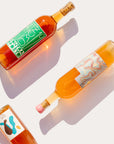
Orange Natural Wines

orange natural wine collection
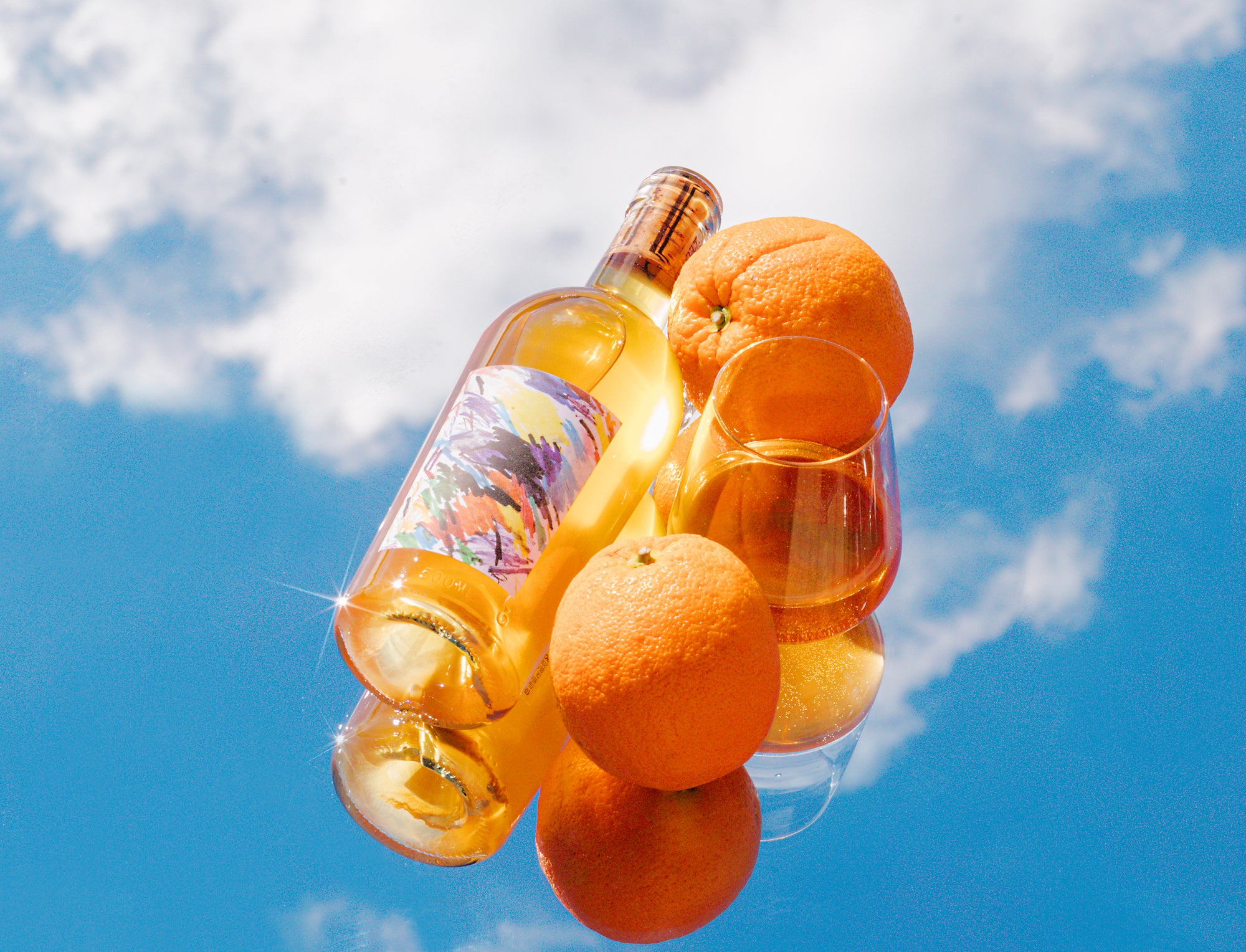
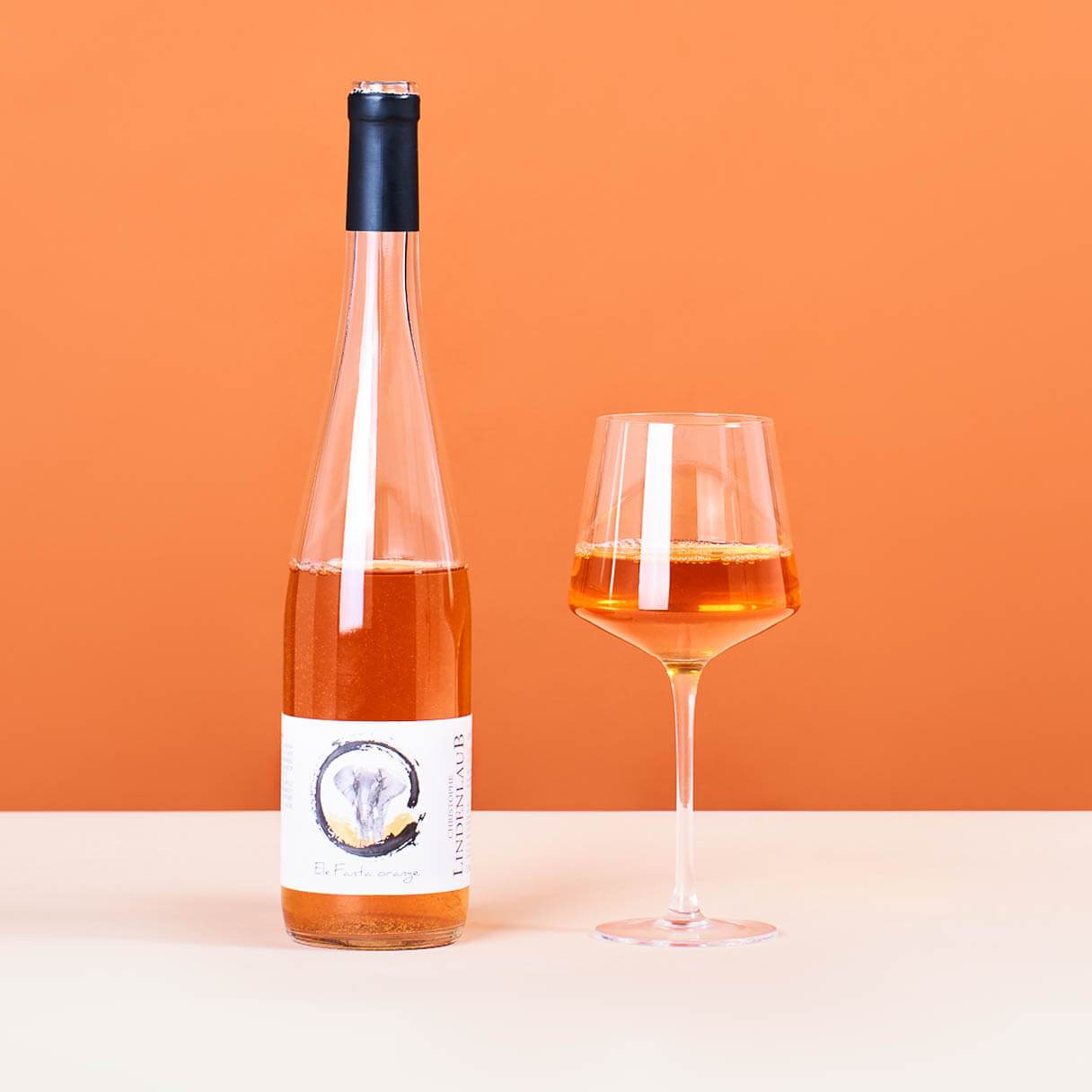
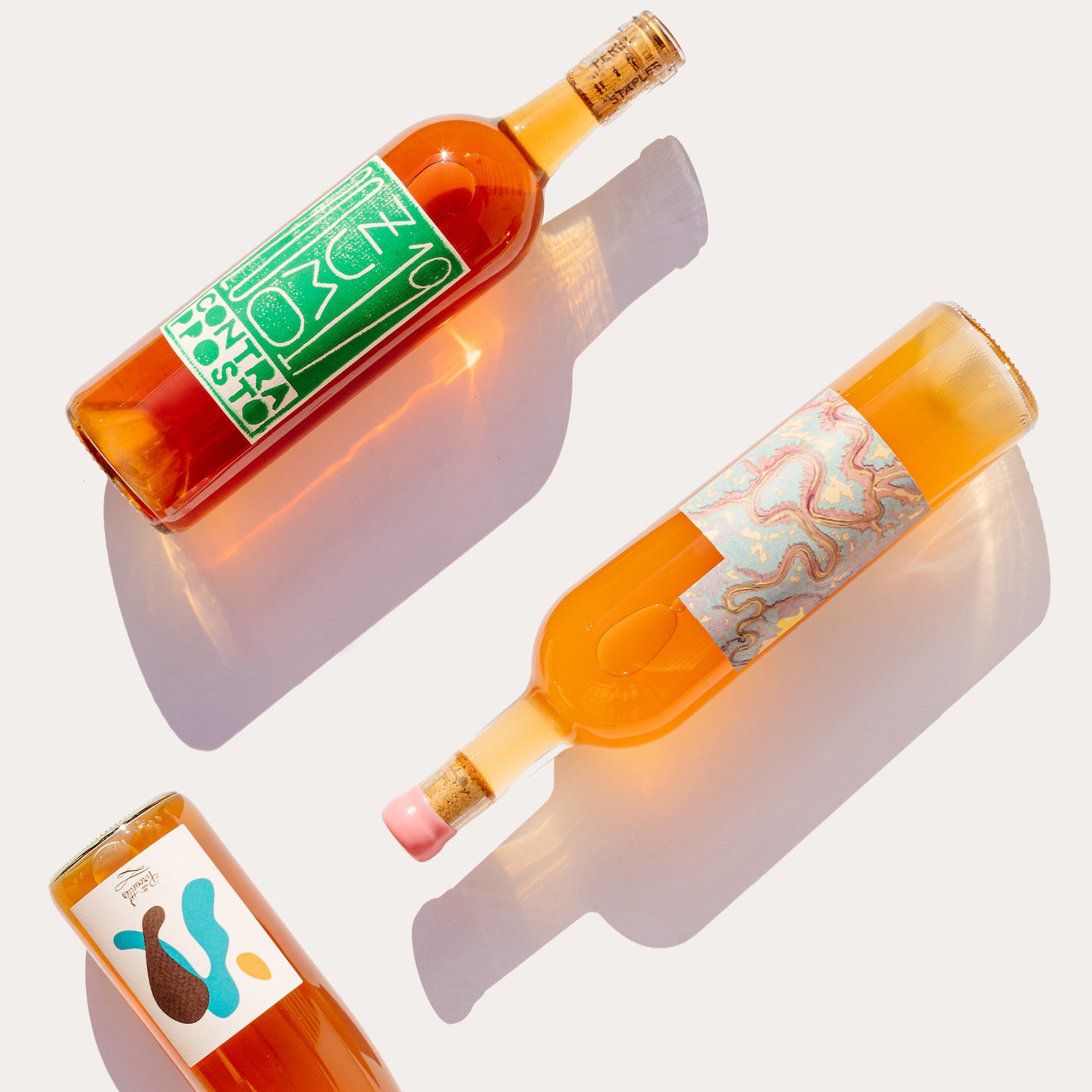
Orange wine (also known as “amber wine” or “skin contact”) is one of the most popular categories in natural wine. The additional time on skin, from hours to months, creates a wine from white grapes with an amber hue, soft tannins, and beautiful flavors!
 
gulp orange bodegas parra jimenez la mancha spain natural white orange wine
 
only zuul from swick wines natural orange wine oregon usa front
 
munjebel bianco frank cornelissen sicily italy natural orange wine bottle front
 
The Flood Swick Wines natural orange wine Oregon USA front
 
orange christina carnuntum austria natural orange wine
 
Mae Son Orange Müller-Thurgau Natural Orange Wine Alto Italy
 
orange cubique les vins pirouettes natural Orange wine Alsace France front
 
Eros Les Vins Pirouettes natural orange wine Alsace France front
 
zibbibo gabrio bini pantelleria sicily italy  natural orange wine front
 
Déferlante Orangée VDF White  Les  Vignes d'Olivier natural orange Wine Languedoc France front
Save $6
 
Binner Si Rose Pinot Gris natural orange wine Alsace France
 
Sammay Blanc Oriol Artigas natural orange wine Catalonia Spain front
 
Save $3
 
la bella blanco oriol artigas catalunya spain natural white orange wine
 

Want us to curate for you?

$125.00 Sale Save
Subscription

Adding to Cart Added to Cart


Skin-contact, amber, orange — whatever you call it, this is the best way to explore one of the most exciting styles in natural wine.

Our Orange Wine Club is your front-row seat to the wild, textured, and deeply expressive world of skin-contact whites. Every month, you'll get a rotating lineup of 4 hand-selected natural orange wines from small producers around the world. No reds, no whites, just orange. From zippy and bright to bold and structured, we cover the full spectrum.

What’s inside each box:

  • A mix of orange wines ranging from light and crisp to deep and grippy

  • Tasting notes, producer stories, food pairings, and serving tips

  • Exclusive video tastings and access to our team for any questions

  • 10% off retail prices, free shipping, and first dibs on rare bottles

We only include wines we drink ourselves — no filler, no fluff. Just real, honest bottles from producers working sustainably and naturally. If you’re obsessed with orange wine (or want to be), this is the easiest way to stay stocked and discover new favorites.


The Facts

Orange Wine Guide: Everything About Skin-Contact Wine

Orange wine has captured the attention of wine enthusiasts worldwide, yet many drinkers still wonder: what exactly is orange wine? This ancient skin-contact wine style offers a unique alternative to traditional white wines, delivering complex flavors and remarkable versatility that's worth exploring.

All About Our Orange Natural Wines

Orange wine is white wine made with extended skin contact during fermentation. Despite the name, orange wine contains no oranges—the term describes the wine's distinctive amber to copper color that develops when white grape juice ferments with grape skins for days, weeks, or even months.This skin-contact wine method extracts tannins, phenolic compounds, and pigments from the skins, fundamentally transforming the wine's color, texture, and flavor. You might also see orange wine called amber wine, skin-contact white wine, or macerated white wine—all terms describing white grapes vinified using red wine techniques.

Orange wine production starts with white grape varieties—common choices include Rkatsiteli and Mtsvane in Georgian orange wine, Ribolla Gialla and Friulano in Italian orange wine from Friuli, plus Pinot Grigio and Gewürztraminer elsewhere. The winemaker's approach to skin contact determines the final wine's characteristics.

Skin-Contact Duration and Maceration

Skin-contact time varies dramatically based on desired orange wine style:

Short skin contact (3-7 days) produces lighter amber wines with moderate tannins and gentle texture—an approachable introduction to orange wine for beginners.

Medium skin contact (1-3 months) creates more structured orange wines with pronounced tannins and deeper color, balancing approachability with complexity.

Extended skin contact (6-12 months) yields the most intense orange wine expressions with significant tannic grip, complex aromatics, and deep orange-copper hues that define traditional Georgian styles.

Natural Wine Fermentation Methods

Most orange wine producers embrace natural winemaking philosophies, using spontaneous fermentation with wild yeasts rather than commercial strains. This natural fermentation adds complexity and regional character to skin-contact wines but requires careful monitoring. Some producers use ambient fermentation temperatures while others employ gentle temperature control.

Orange Wine Aging Vessels

The choice of aging vessel significantly impacts skin-contact wine:

  • Traditional qvevri impart subtle earthy minerality and allow micro-oxygenation through porous clay
  • Stainless steel tanks preserve fresh fruit character and bright acidity in lighter orange wines
  • Neutral oak barrels or foudres add textural complexity without obvious wood flavors
  • Concrete eggs offer shape-driven lees contact and gentle oxygen exchange, popular among natural wine producers

Minimal Intervention Orange Wine Philosophy

Orange wine production typically aligns with natural and minimal-intervention winemaking. Producers often avoid fining, filtration, and sulfur additions, or use only minimal sulfites at bottling. This hands-off approach allows skin-contact wine to express terroir and vintage characteristics authentically.

Orange wine occupies unique sensory territory, offering characteristics of both white and red wines.

Orange Wine Color

The orange wine color spectrum ranges from pale gold to deep amber, burnt orange, or copper. Color intensity correlates with skin-contact length, grape variety, and aging duration. Ribolla Gialla produces lighter golden-orange hues, while Rkatsiteli achieves deep amber tones characteristic of Georgian orange wine. Extended aging can develop mahogany edges.

Orange Wine Texture and Tannins

Orange wine's most distinctive feature is its textural weight. Extended skin contact extracts tannins that provide grip, structure, and a slightly drying sensation similar to red wine. This tannic backbone makes orange wine more substantial than conventional white wine, with fuller body and greater aging potential. Skin-contact wine coats the palate with a lingering, almost chewy finish.

Orange Wine Aromas and Flavors

Orange wine delivers complex, often savory aromas: dried apricot, quince, jackfruit, bruised apple, honey, beeswax, orange peel, walnut, hazelnut, chamomile, dried flowers, hay, tea leaves, and herbs. Some skin-contact wines show oxidative notes like apple cider, sherry-like nuttiness, or sourdough. Spice elements include ginger, turmeric, saffron, and white pepper.

Orange wine flavors combine fruit, earth, and spice elements. Stone fruit flavors (peach, apricot) appear dried or preserved rather than fresh. Citrus notes lean toward bitter orange pith and marmalade. Herbal and botanical qualities—juniper, sage, thyme—add complexity. Some natural orange wines exhibit funky characteristics that appeal to adventurous palates.

History and Regions

Orange wine originated in Georgia over 8,000 years ago, making it one of the world's oldest winemaking styles. Georgian winemakers perfected the qvevri method, fermenting and aging wine in massive egg-shaped clay vessels buried underground. These traditional qvevri amphorae, some holding thousands of liters, maintain naturally cool temperatures without modern refrigeration.

Traditional Georgian orange wine production involves crushing whole grape clusters—stems, skins, seeds, and juice—into qvevri. The vessels are sealed with stone and clay, then left undisturbed for months. This extended skin-contact period, often six months or longer, produces complex wines with substantial structure and impressive aging potential. UNESCO recognized Georgian qvevri winemaking as Intangible Cultural Heritage of Humanity in 2013.

Ancient winemaking civilizations throughout the Caucasus region, Mediterranean, and Fertile Crescent employed similar skin-contact techniques. Before modern winemaking equipment enabled easy juice separation, most wines underwent some degree of skin contact, making orange wine production more historically authentic than today's conventional white wines.

Georgian Orange Wine

Georgian orange wine represents the style's birthplace and spiritual home. Producers ferment Rkatsiteli, Mtsvane, Kisi, and Khikhvi in buried qvevri following methods unchanged for millennia. These skin-contact wines display remarkable depth with pronounced tannins, earthy minerality, and oxidative complexity. Georgian orange wine pairs naturally with regional cuisine—khachapuri cheese bread, khinkali dumplings, and grilled meats.

Italian Orange Wine (Friuli-Venezia Giulia)

Italian orange wine from Friuli sparked the modern skin-contact wine renaissance. Producers like Gravner, Radikon, and La Castellada revived ancient techniques in the 1990s, inspiring a global orange wine movement. Friulian orange wines use Ribolla Gialla, Friulano, Pinot Grigio, and Malvasia, often aged in Slovenian oak or amphora. These skin-contact wines balance structure with elegance.

Slovenian Orange Wine

Slovenian winemakers in Brda and Vipava regions produce outstanding orange wines. Slovenia shares grape varieties and winemaking philosophies with neighboring Friuli, with many producers employing extended skin contact in large oak casks or amphora.

Austrian Orange Wine

Austrian natural winemakers have embraced orange wine production, particularly in Burgenland and Styria. Grüner Veltliner, Welschriesling, and Sauvignon Blanc undergo skin contact, producing wines with mineral tension and herbal aromatics alongside textural complexity.

American Orange Wine

American natural wine producers in California, Oregon, and New York experiment with orange wine styles. West Coast winemakers often use Pinot Grigio, Ribolla Gialla, and Vermentino for skin-contact wine, while Eastern producers work with hybrid varieties and cool-climate vinifera grapes.

The Experience

Orange wine occupies unique sensory territory, offering characteristics of both white and red wines.

Orange Wine Color

The orange wine color spectrum ranges from pale gold to deep amber, burnt orange, or copper. Color intensity correlates with skin-contact length, grape variety, and aging duration. Ribolla Gialla produces lighter golden-orange hues, while Rkatsiteli achieves deep amber tones characteristic of Georgian orange wine. Extended aging can develop mahogany edges.

Orange Wine Texture and Tannins

Orange wine's most distinctive feature is its textural weight. Extended skin contact extracts tannins that provide grip, structure, and a slightly drying sensation similar to red wine. This tannic backbone makes orange wine more substantial than conventional white wine, with fuller body and greater aging potential. Skin-contact wine coats the palate with a lingering, almost chewy finish.

Orange Wine Aromas and Flavors

Orange wine delivers complex, often savory aromas: dried apricot, quince, jackfruit, bruised apple, honey, beeswax, orange peel, walnut, hazelnut, chamomile, dried flowers, hay, tea leaves, and herbs. Some skin-contact wines show oxidative notes like apple cider, sherry-like nuttiness, or sourdough. Spice elements include ginger, turmeric, saffron, and white pepper.

Orange wine flavors combine fruit, earth, and spice elements. Stone fruit flavors (peach, apricot) appear dried or preserved rather than fresh. Citrus notes lean toward bitter orange pith and marmalade. Herbal and botanical qualities—juniper, sage, thyme—add complexity. Some natural orange wines exhibit funky characteristics that appeal to adventurous palates.

Orange wine's tannic structure, acidity, and complex flavors make skin-contact wine remarkably food-friendly. The tannins cut through rich, fatty dishes while acidity balances bold flavors.

Orange Wine with Mediterranean and Middle Eastern Food

Orange wine excels with mezze spreads, hummus, baba ganoush, falafel, grilled halloumi, and lamb dishes. The savory character of skin-contact wine complements tahini, olive oil, and herbs like oregano and za'atar.

Orange Wine with Asian Cuisine

Skin-contact wine handles spicy, fermented, and umami-rich dishes that challenge conventional white wines. Try orange wine with Korean kimchi, Japanese miso-based dishes, Thai curries, Vietnamese pho, or Chinese twice-cooked pork. The tannins balance soy sauce and fish sauce while the body stands up to bold Asian flavors.

Orange Wine with Vegetables and Earthy Dishes

Root vegetables, mushrooms, and lentils pair beautifully with orange wine's earthy, oxidative notes. Consider roasted carrots with cumin, mushroom ragù, lentil stew, or roasted cauliflower with skin-contact wine.

Orange Wine with Cheese

Orange wine complements aged cheeses like Parmigiano-Reggiano, Gruyère, and aged Gouda. The tannins in skin-contact wine cut through rich, creamy cheeses while the wine's complexity matches nutty, crystalline aged varieties.

Orange Wine with Charcuterie

Serve orange wine with prosciutto, salami, bresaola, or pâté. The wine's structure handles fatty cured meats while its acidity refreshes the palate.

Orange wine represents more than a trend—it connects modern drinkers to ancient winemaking wisdom. This skin-contact wine style challenges conventional categories, proving white grapes can produce structured, age-worthy wines without manipulation. For natural wine enthusiasts, orange wine exemplifies minimal-intervention philosophy, expressing terroir, vintage, and winemaker vision without technological interference.

The orange wine movement has inspired producers worldwide to rediscover traditional skin-contact techniques, revive forgotten grape varieties, and question industrial winemaking practices. Whether you're exploring Georgian qvevri wines or Italian skin-contact Ribolla Gialla, orange wine offers a profound, thought-provoking tasting experience that rewards curiosity and an open mind.

Ready to explore orange wine? Start with lighter skin-contact wines featuring shorter maceration periods, then progress to traditional Georgian orange wines for the full ancestral experience.